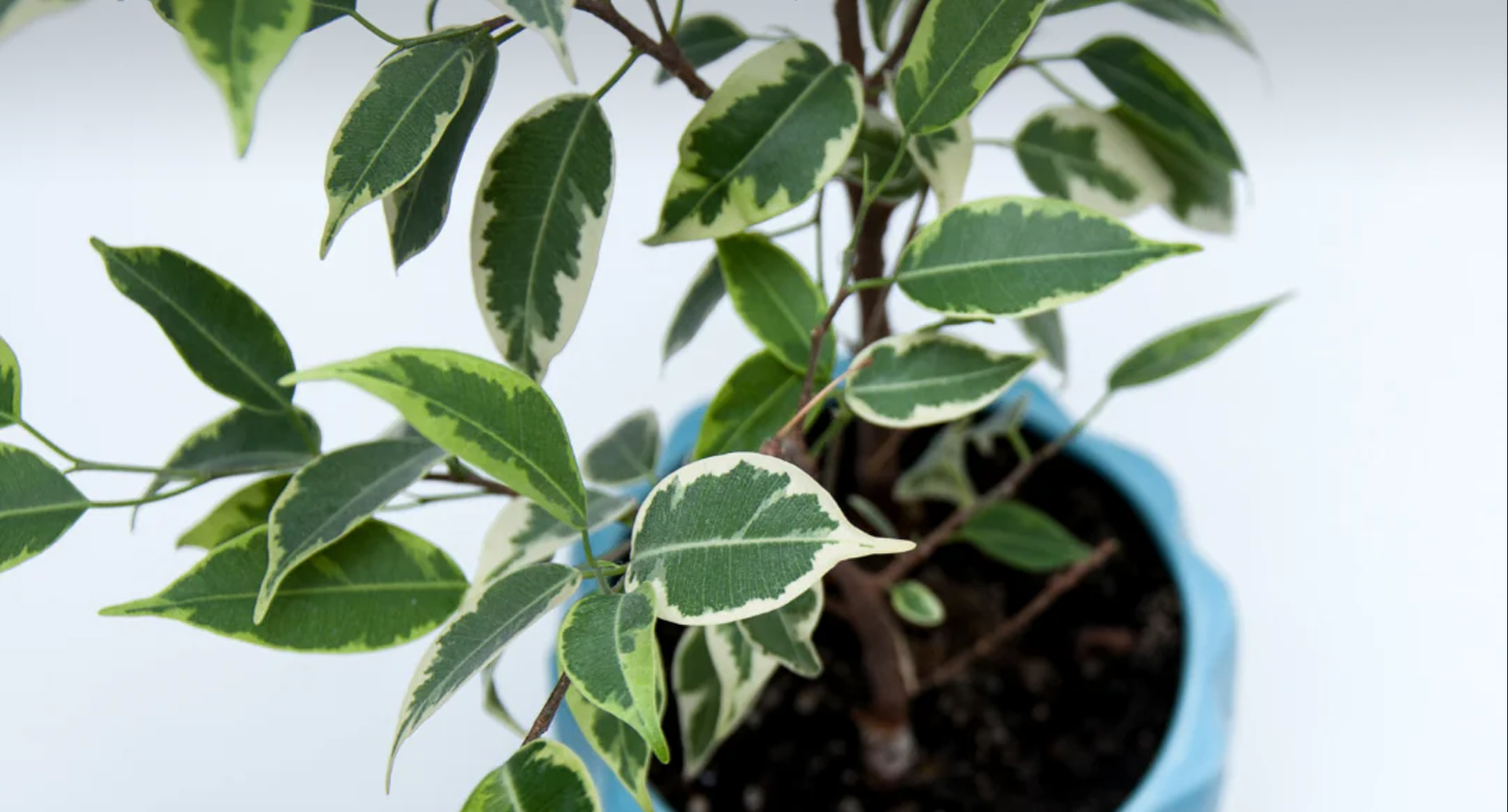
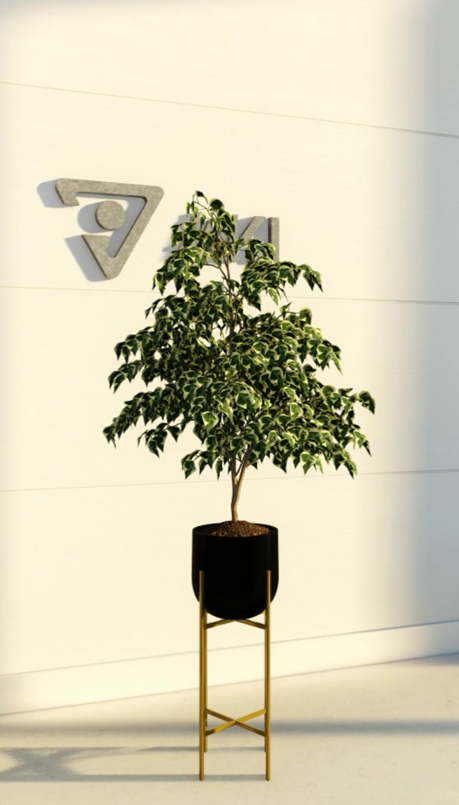
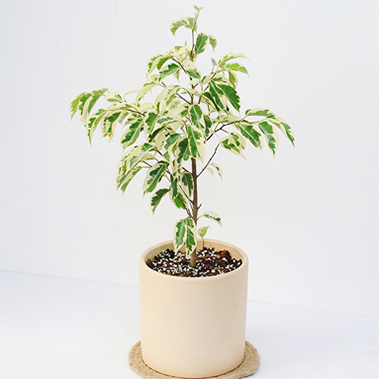
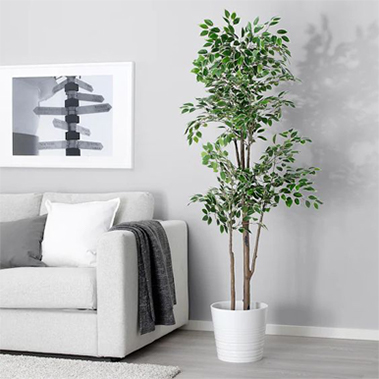
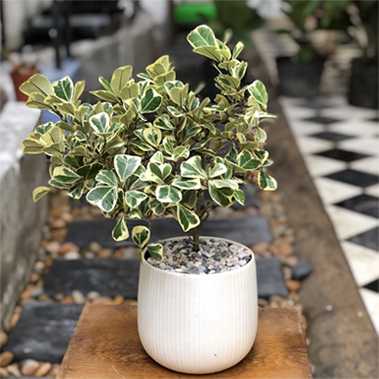
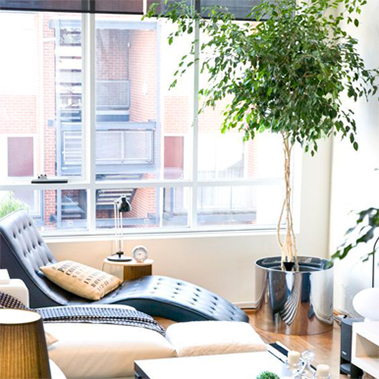
The Weeping Fig, also known as the “Triple Blessings” tree, carries positive Feng Shui meanings. It brings luck and longevity, while also helping the homeowner open up pathways to financial prosperity and promoting career development and success.
Originating from South Africa, this tree has triangular-shaped leaves with white borders and green interiors. Its flexible trunk allows for shaping through pruning. Whether trimmed into a round shape or a tower form, it still retains an attractive and charming appearance.
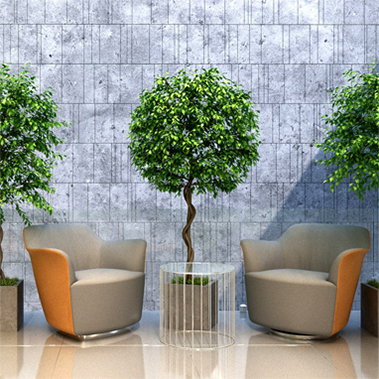
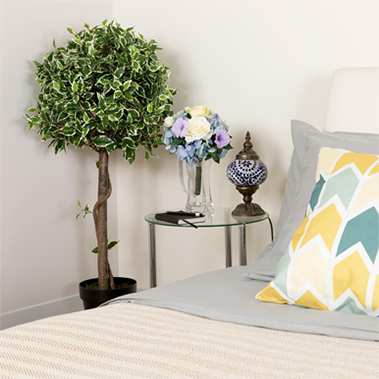
Thanks to its captivating and artistic features, the Weeping Fig is beloved by many. It is suitable for decorating work desks, balconies, homes, coffee shops, and hotels, creating an elegant and appealing ambiance. Furthermore, this Weeping Fig tree is effective in purifying the air, providing a fresh and pleasant atmosphere for any space.
Origin South Asia & Australia.
Genus Moraceae
Search Name Weeping Fig
LIGHT : Weeping Figs thrive in bright light, so they will develop well when exposed to ample sunlight. Therefore, it is recommended to place the plant in a location with plenty of light and good ventilation.
TEMPERATURE :
The Weeping Fig does well in normal household temperatures but prefers slightly warmer conditions: between 16-24°C. Avoid cold draughts.
GROWTH RATE : The Weeping Fig is moderate to fast-growing depending on conditions, reaching an ultimate indoor height of 2 meters
SOIL
The soil should have good drainage and be moderately loose. Mix in some coconut coir, charcoal, and rice husk. Adding a bit of organic fertilizer can help promote healthy growth.
NUTRITION
To keep the plant lush and green, it's advisable to fertilize it once a month.
WATERING
Avoid overwatering; only water with a sufficient amount each time. Water the plant once a day for optimal growth.
CARE
Choose a healthy, disease-free plant, select an appropriate planting location, dig a hole, place the plant in it, and then fill the hole with soil while ensuring the plant has enough moisture.
AIR PURIFICATION
This plant filters airborne toxins and is part of our clean air plant collection.
TOXICITY
Considered poisonous due to the latex in the sap, therefore keep away from children and animals. Avoid this plant if you have a latex allergy. Contains allergens that may result in asthma symptoms.
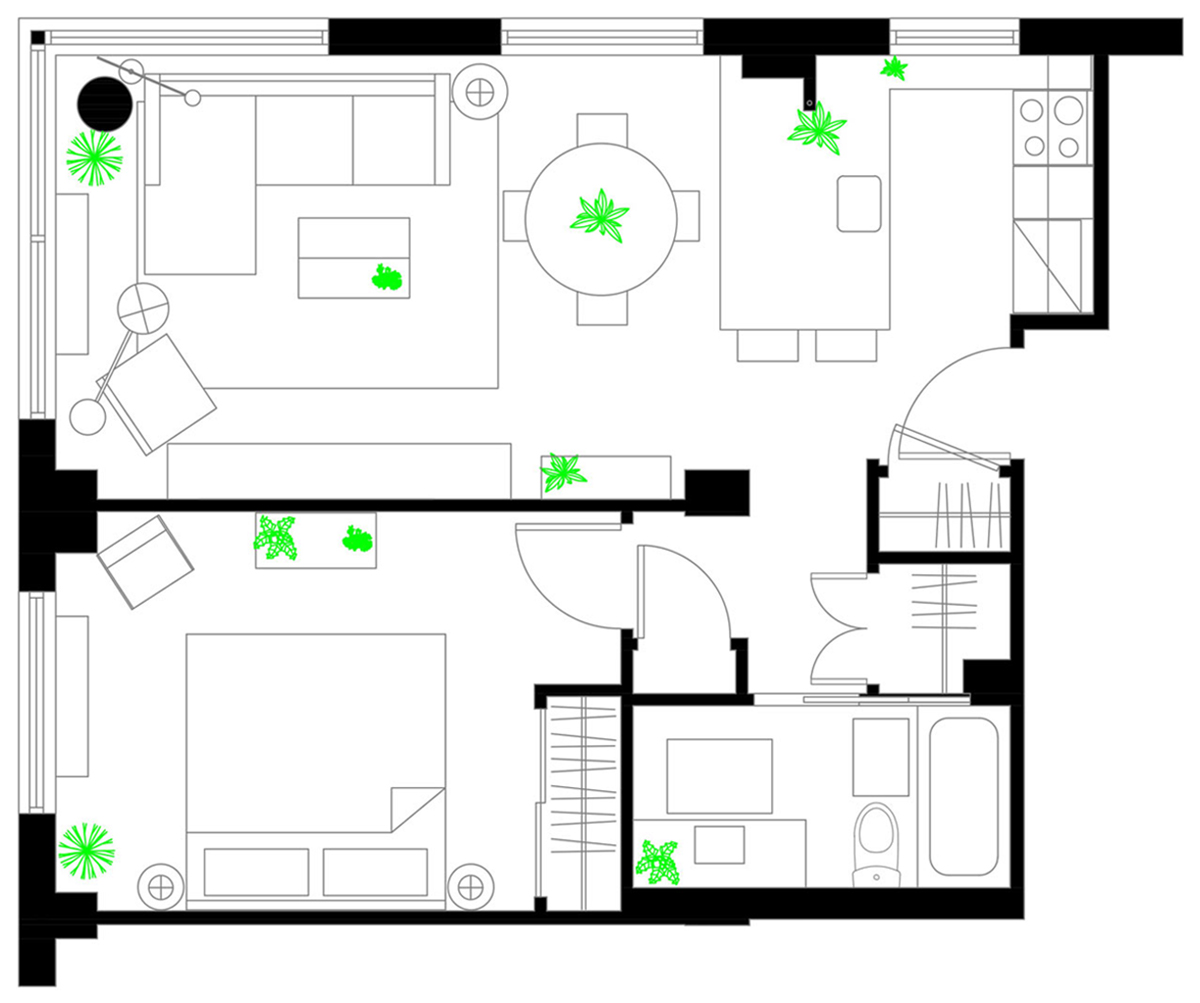
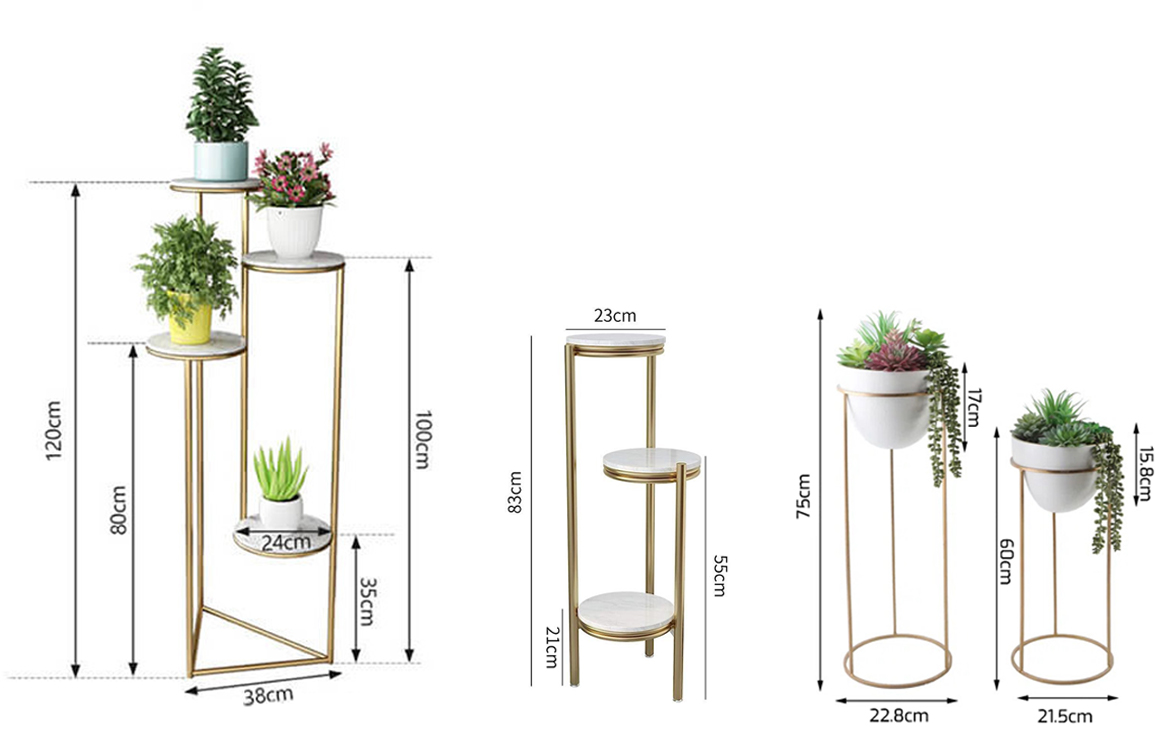
ARRANGE AND PLACE TREES TO HELP THE TREE AS FRESH AS POSSIBLE
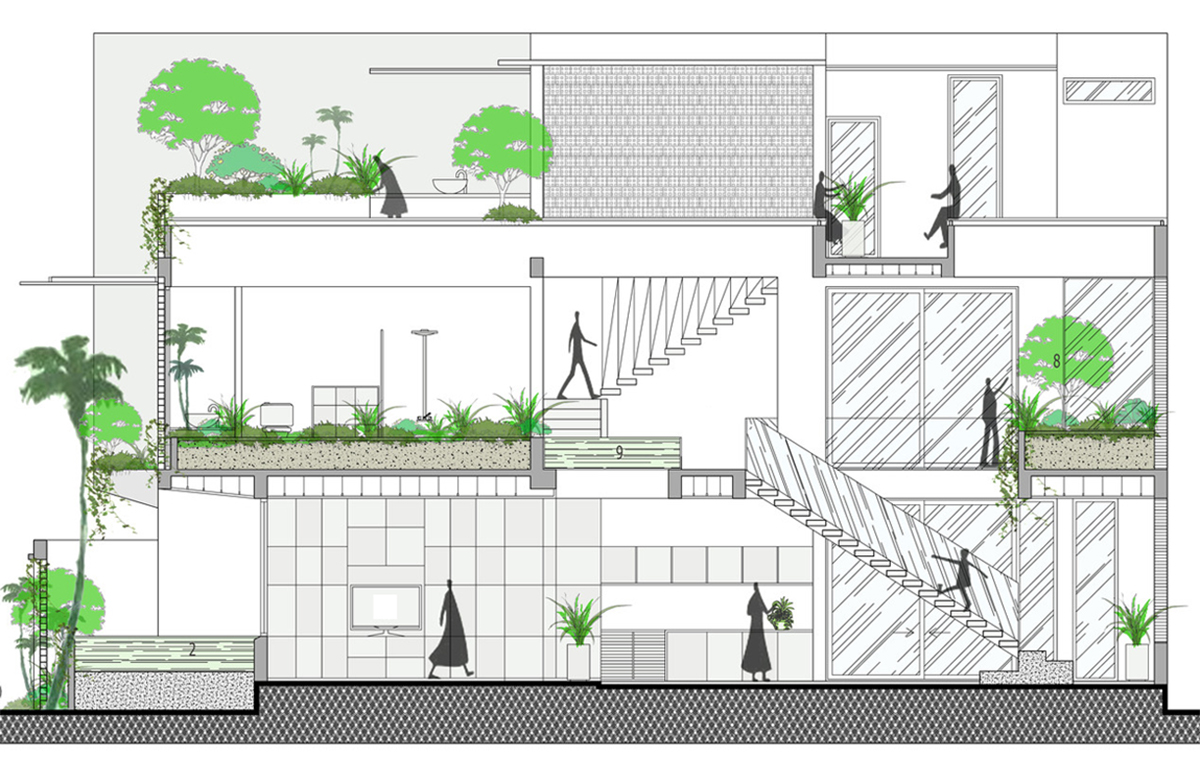
GREAT BENEFITS OF GROWING INDOOR PLANTS
HELP IMPROVE HEALTH PROMOTION
The plant has proven itself to help relieve stress, create comfort. People living in a natural environment will help to feel happier.
AIR PURIFICATION INCREASES QUALITY OF LIFE
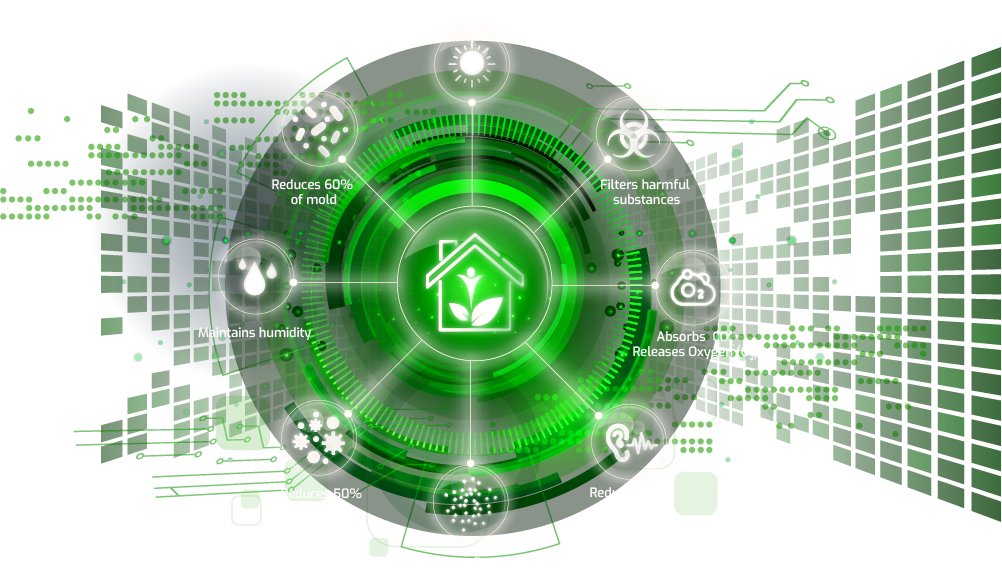
Greening the habitat. Helps reduce 50-60% of mold & pathogenic bacteria in the air. Retains moisture, removes harmful contaminants, produces oxygen.
CONCEPT REFERENCES
EASIER TREE CARE WITH SMART AUTOMATED CARE SYSTEM
SMART AUTOTROPHIC POTS
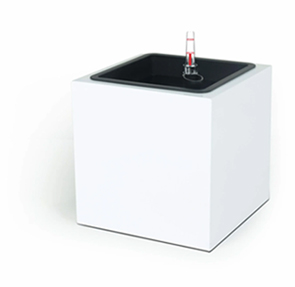
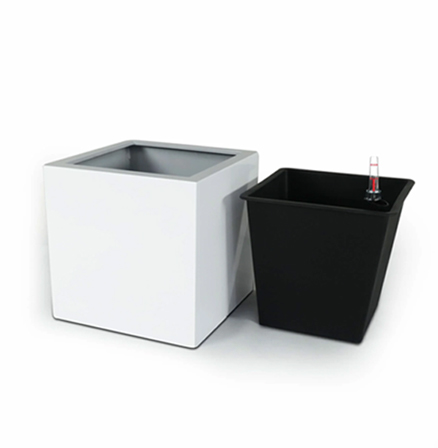
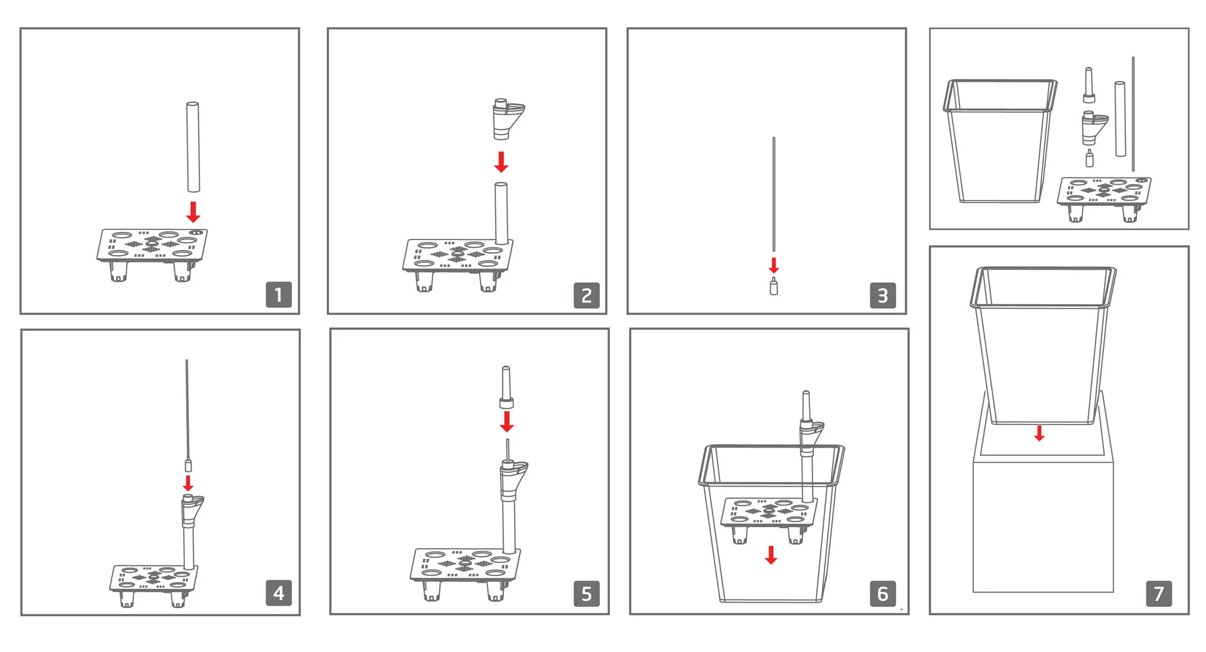
Are self-watering pots worth considering? These pots can help us save effort in tending to our plants, as they don’t require daily watering, yet the plants can still thrive. Smart self-watering planters function by providing water and nutrients to the plants through a reverse osmosis mechanism, similar to an underground water network within the pot that keeps the soil moist. Each watering can supply enough water for the plants to last from 7 to 30 days, depending on the plant type and its placement.
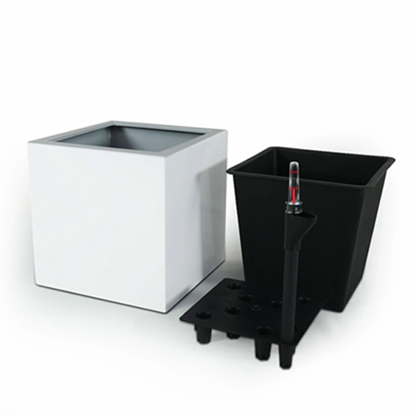
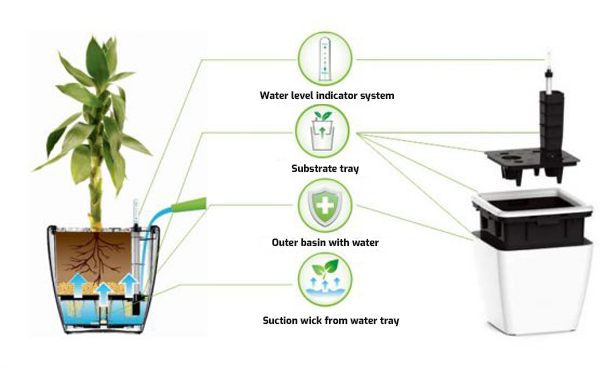
The smart self-watering pots typically consist of four main components:
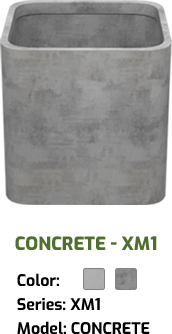
Water reservoir (tray), this is also usually the outermost layer of pot that both acts as a water storage tray and is the overall structure and external appearance of the pot
Inner pot: This tray is placed in and above the water tray, without direct contact with the water tray. The Inner pot usually has multiple outlet holes and is connected to the water tray through the suction wick.
Wicking system: This component is quite crucial as it acts as a conduit for drawing moisture from the water reservoir to supply water to the media tray.
Water level indicator system: can be a buoy, or a transparent indicator line.
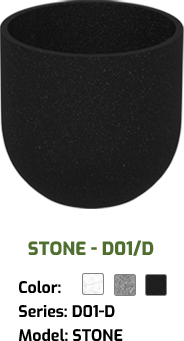
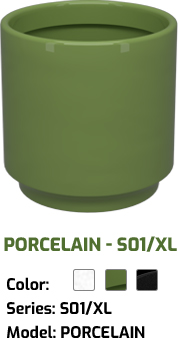
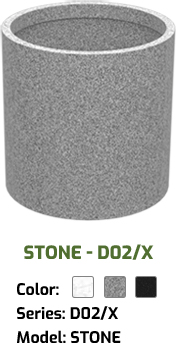
MULTI-MATERIAL EXTERNAL POTS
INNER POT LAYERS
AUTOTROPHIC SYSTEM
THE PRINCIPLE OF OPERATION OF SELF-WATERING POTS: CAPILLARY MECHANISM
The mechanism behind how self-watering pots work is a phenomenon known as “capillary activity” or “wicking phenomenon.”
Capillaries in self-watering pots are usually wick threads made from fabrics that are highly absorbent and durable. One end of the suction wick is submerged in water; The upper end is placed in the middle of the layer of planting soil.
When plants have a need for water, they will absorb water in the soil, when this soil moisture will decrease. And at that moment, the wick will suck a corresponding amount of water to balance the moisture for the tray containing the substrate.
Note when planting new or replacing the soil for self-irrigating pots: You need to water the substrate layer immediately after planting. Or for some reason the substrate layer is too dry, water them. Then the suction wick will be responsible for supplying water to this substrate.
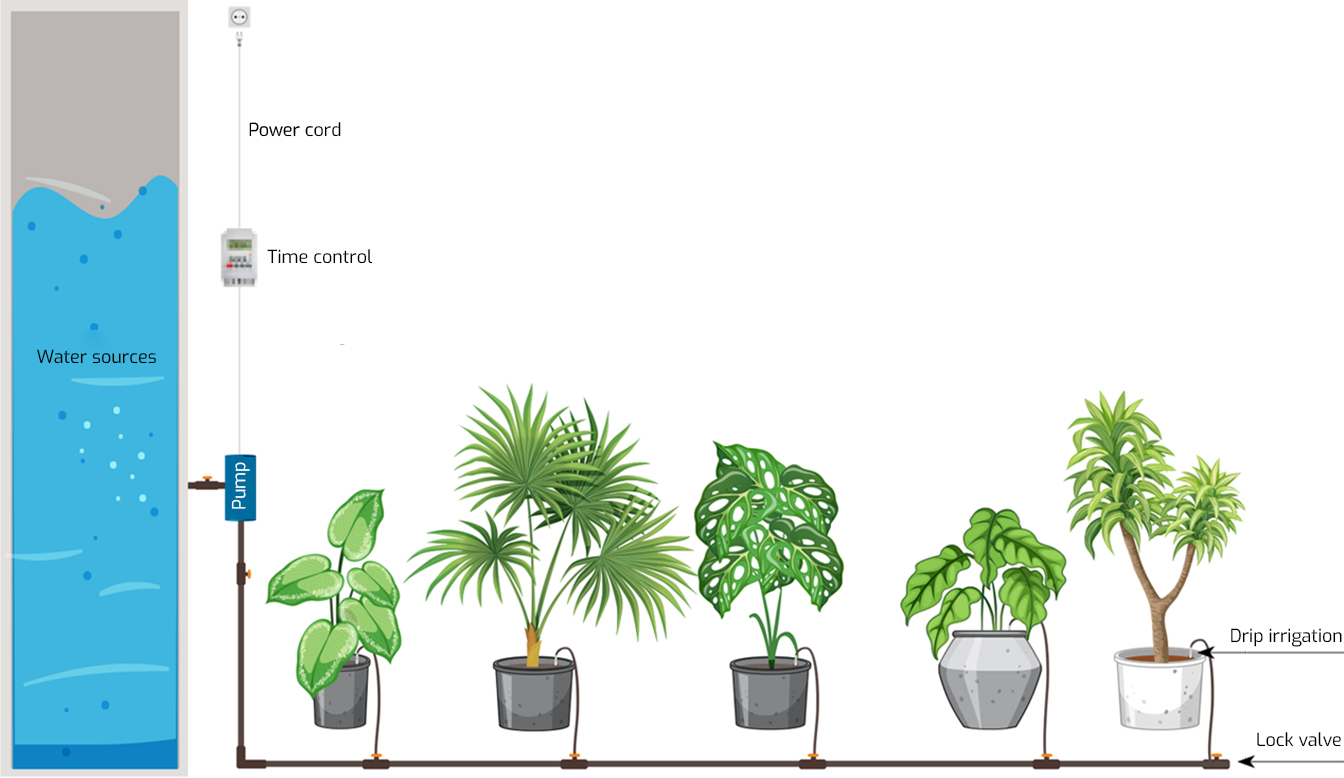
Smart Irrigation System is a system of irrigation equipment capable of automatically On/Off to water the garden at the right time and water flow that you want. This system will help you save up to 80% of your watering time compared to traditional watering methods.
In a basic smart automatic irrigation system, the following components will be included:
Booster water pump: Filter; Automatic irrigation control timer: Wiring; Types of automatic irrigation heads: Accessories (PVC fittings, pipe connectors, pipe caps….).