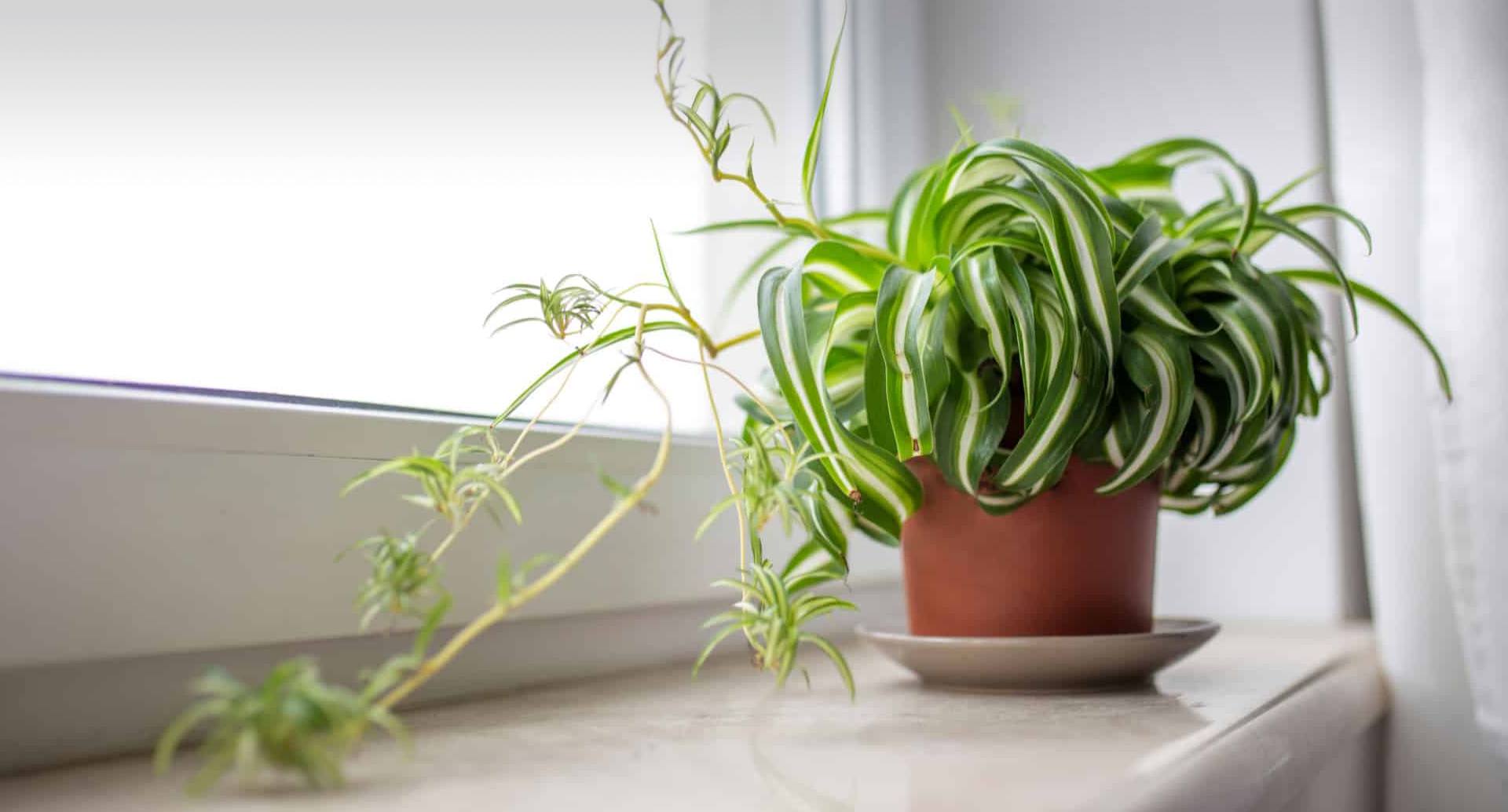
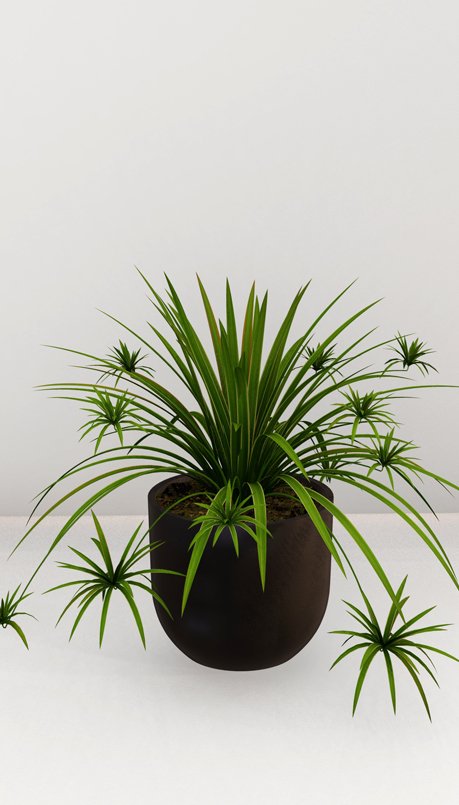
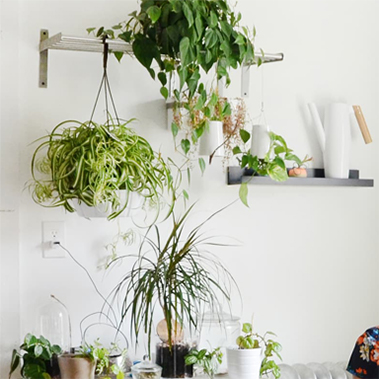
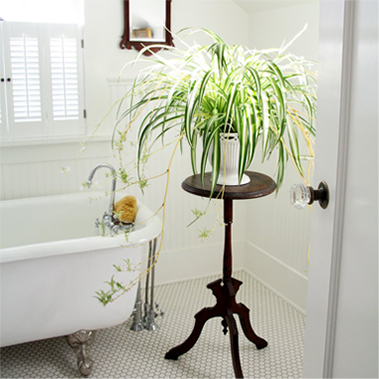
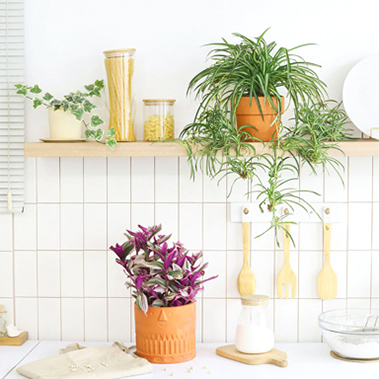
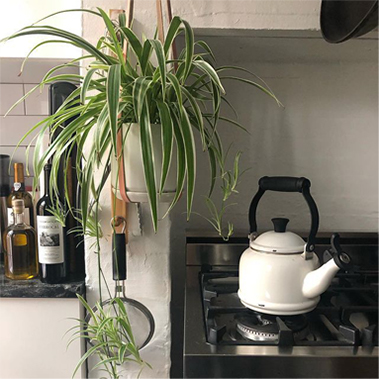
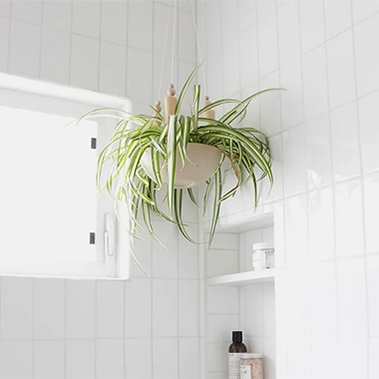
The Spider Plant comes in two varieties: the long-leafed Spider Plant and the variegated Spider Plant. For the long-leafed Spider Plant, its leaves initially resemble those of a leek, not as aesthetically pleasing as the variegated type. As a result, the variegated Spider Plant is more favored by many, especially for home decoration.
The Spider Plant symbolizes resilience and perseverance. It represents strength, flexibility, and the ability to withstand difficulties and challenges in life. The Spider Plant holds significant meaning in feng shui, as it is believed to help ward off negative energies and bad luck for the household. It is regarded as a magical charm, bringing not only peace and happiness to the family.
The Spider Plant is suitable for those with a Water element in their astrological signs, as its lush green color is associated with success, good fortune, and prosperity for the residents. Additionally, the Spider Plant is also compatible with individuals born in the Year of the Goat. Therefore, if you are born in the Year of the Goat, don’t hesitate to cultivate this plant as it can bring you numerous blessings in life. The Spider Plant offers a multitude of benefits to human life.
Origin South Africa, Western Australia
Genus Asphodelaceae
Search Name Spider Plant
LIGHT : The Spider Plant is a shade-tolerant plant, preferring partial light. Therefore, place the plant in an area with gentle, indirect light to prevent wilting and drying. Avoid direct sunlight.
TEMPERATURE :
It thrives in normal room temperatures (above 16°C). Spider Plants are quite hardy and can survive temperatures above 8°C during winter if the soil is kept relatively dry.
GROWTH RATE : Spider Plants grow quickly and typically reach a maximum height of about 40-50cm. They can produce flowers at any time of the year with proper care.
SOIL
The plant is not picky about soil, but the planting soil should be loamy, nutrient-rich, well-draining, and have a pH level between 6 and 7.5.
NUTRITION
If the plant lacks sufficient nutrients, its leaves may turn yellow and wilt. Fertilize the plant every two weeks during the growing season to prevent this.
WATERING
Avoid using water with high mineral content to water the plant. For indoor and office plants, water the Spider Plant twice a week and change the water once a week.
CARE
Spider Plants are susceptible to root rot. To prevent this, adjust the amount of fertilizer and water, ensure proper ventilation, and your plant will avoid issues like yellow leaves and diseases.
AIR PURIFICATION
The plant can absorb up to 95% of carbon dioxide and can help eliminate harmful substances emitted by electronic devices. It also converts air pollutants like formaldehyde.
TOXICITY
Considered non-toxic, Spider Plants are safe to have around children and pets.
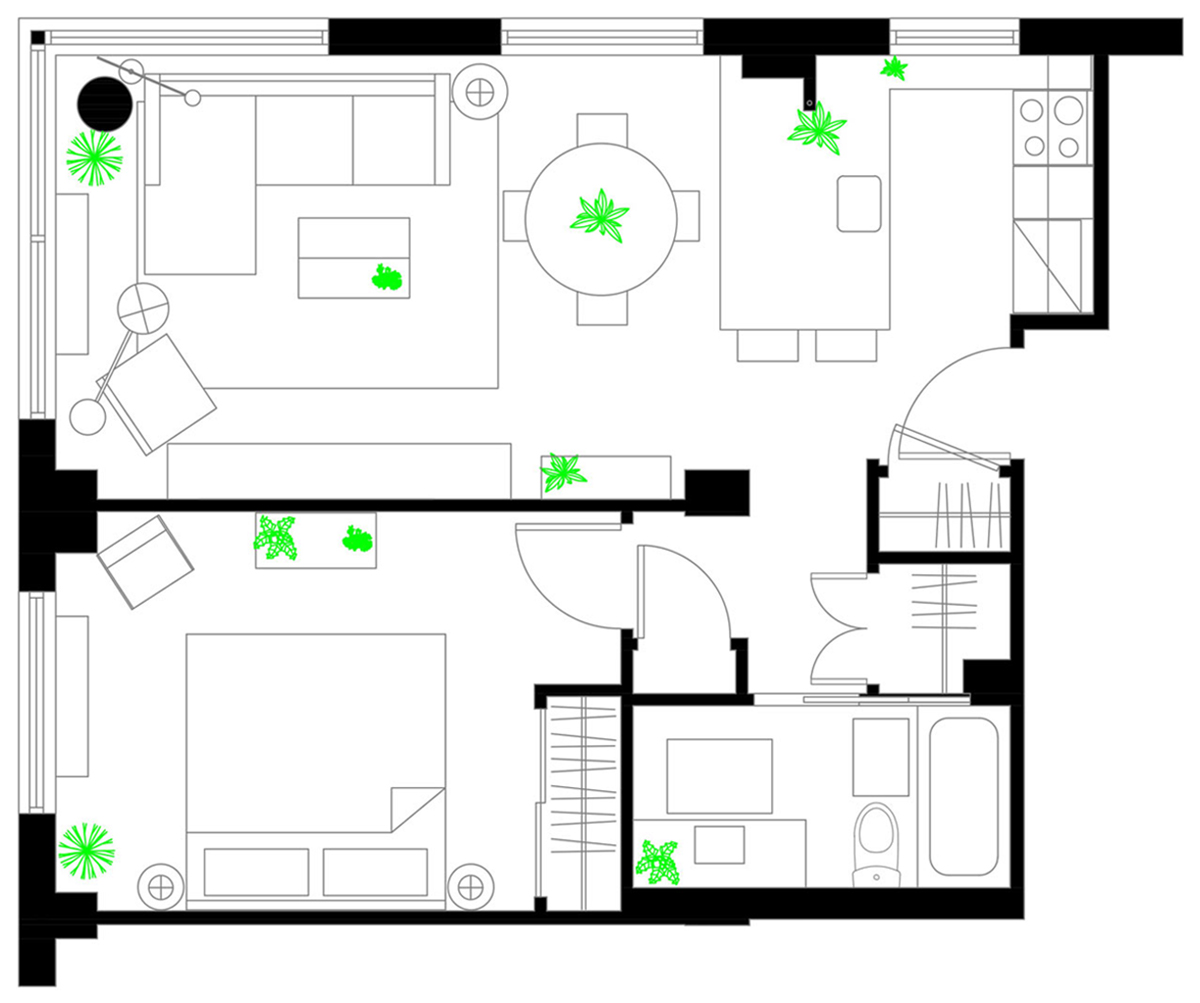
ARRANGE AND PLACE TREES TO HELP THE TREE AS FRESH AS POSSIBLE
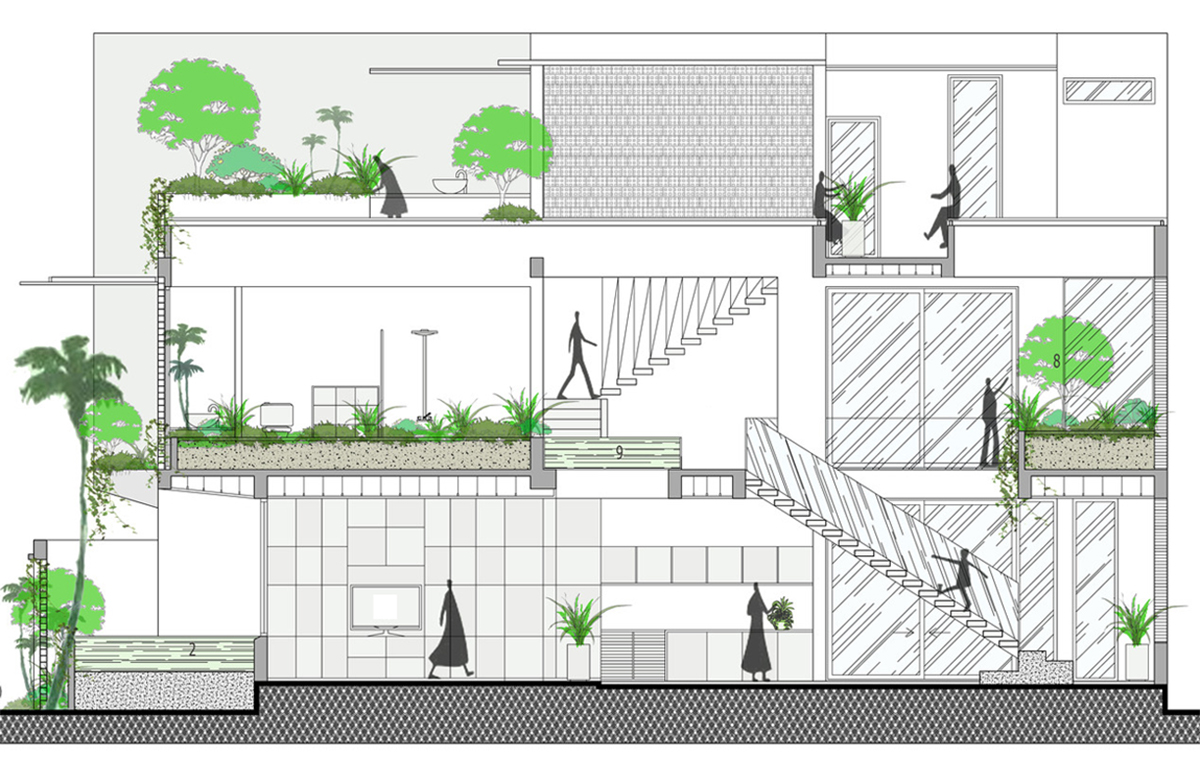
GREAT BENEFITS OF GROWING INDOOR PLANTS
HELP IMPROVE HEALTH PROMOTION
The plant has proven itself to help relieve stress, create comfort. People living in a natural environment will help to feel happier.
AIR PURIFICATION INCREASES QUALITY OF LIFE
Greening the habitat. Helps reduce 50-60% of mold & pathogenic bacteria in the air. Retains moisture, removes harmful contaminants, produces oxygen.
CONCEPT REFERENCES
EASIER TREE CARE WITH SMART AUTOMATED CARE SYSTEM
SMART AUTOTROPHIC POTS
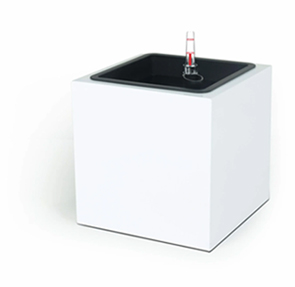
Are self-watering pots worth considering? These pots can help us save effort in tending to our plants, as they don’t require daily watering, yet the plants can still thrive. Smart self-watering planters function by providing water and nutrients to the plants through a reverse osmosis mechanism, similar to an underground water network within the pot that keeps the soil moist. Each watering can supply enough water for the plants to last from 7 to 30 days, depending on the plant type and its placement.
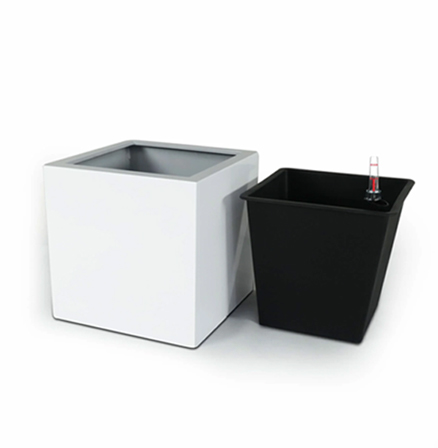
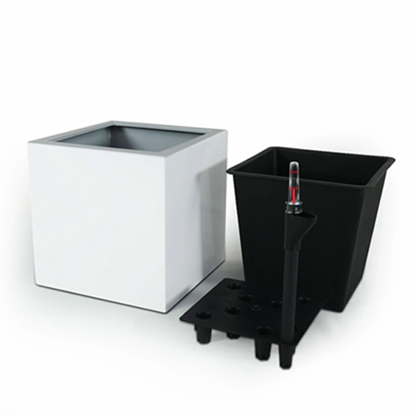
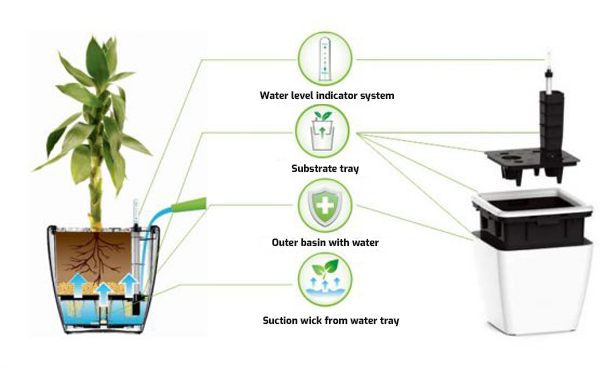
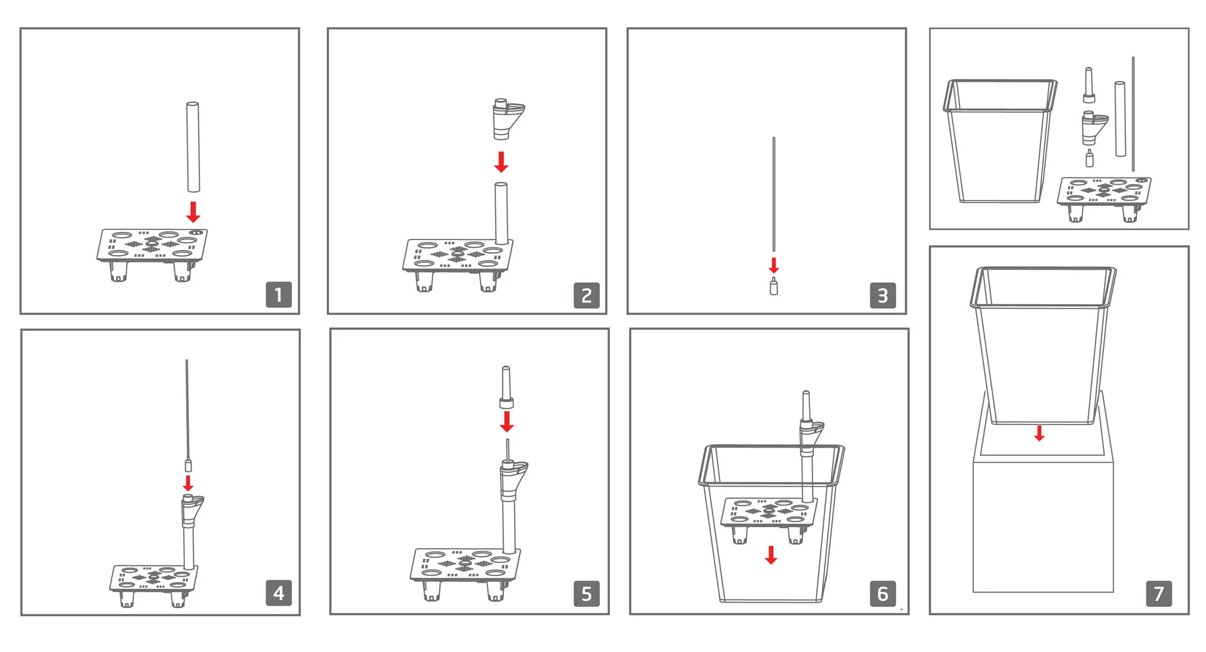
The smart self-watering pots typically consist of four main components:
Water reservoir (tray), this is also usually the outermost layer of pot that both acts as a water storage tray and is the overall structure and external appearance of the pot
Inner pot: This tray is placed in and above the water tray, without direct contact with the water tray. The Inner pot usually has multiple outlet holes and is connected to the water tray through the suction wick.
Wicking system: This component is quite crucial as it acts as a conduit for drawing moisture from the water reservoir to supply water to the media tray.
Water level indicator system: can be a buoy, or a transparent indicator line.
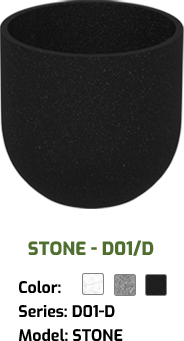
MULTI-MATERIAL EXTERNAL POTS
INNER POT LAYERS
AUTOTROPHIC SYSTEM
THE PRINCIPLE OF OPERATION OF SELF-WATERING POTS: CAPILLARY MECHANISM
The mechanism behind how self-watering pots work is a phenomenon known as “capillary activity” or “wicking phenomenon.”
Capillaries in self-watering pots are usually wick threads made from fabrics that are highly absorbent and durable. One end of the suction wick is submerged in water; The upper end is placed in the middle of the layer of planting soil.
When plants have a need for water, they will absorb water in the soil, when this soil moisture will decrease. And at that moment, the wick will suck a corresponding amount of water to balance the moisture for the tray containing the substrate.
Note when planting new or replacing the soil for self-irrigating pots: You need to water the substrate layer immediately after planting. Or for some reason the substrate layer is too dry, water them. Then the suction wick will be responsible for supplying water to this substrate.
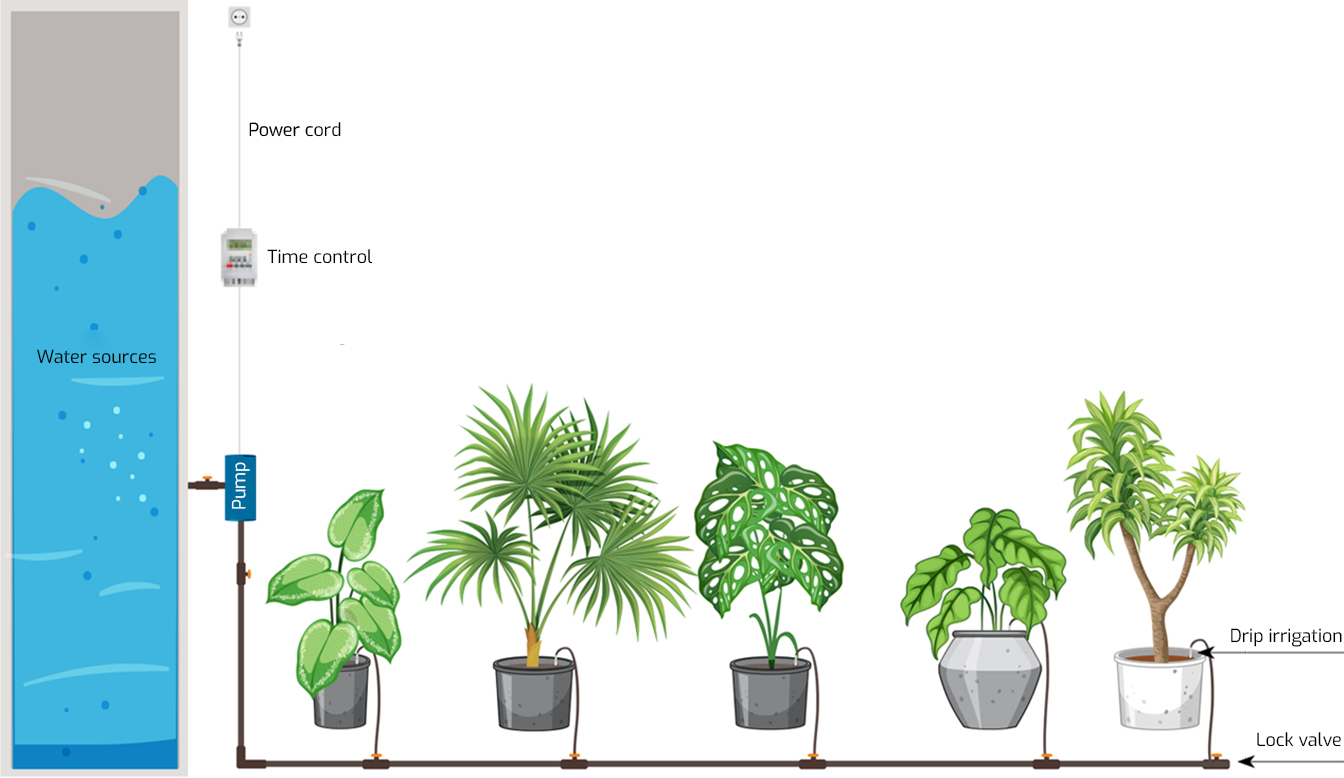
Smart Irrigation System is a system of irrigation equipment capable of automatically On/Off to water the garden at the right time and water flow that you want. This system will help you save up to 80% of your watering time compared to traditional watering methods.
In a basic smart automatic irrigation system, the following components will be included:
Booster water pump: Filter; Automatic irrigation control timer: Wiring; Types of automatic irrigation heads: Accessories (PVC fittings, pipe connectors, pipe caps….).