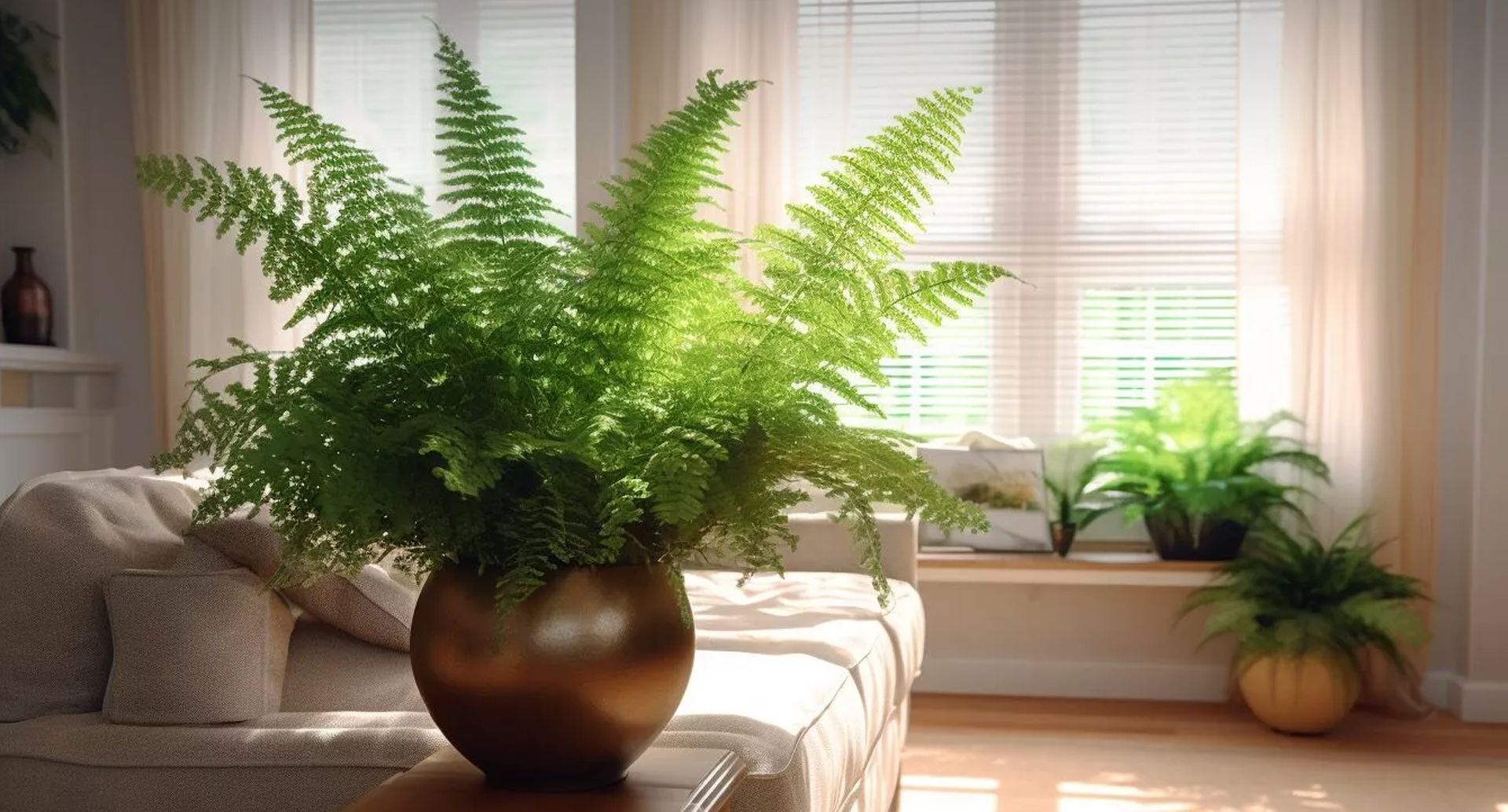
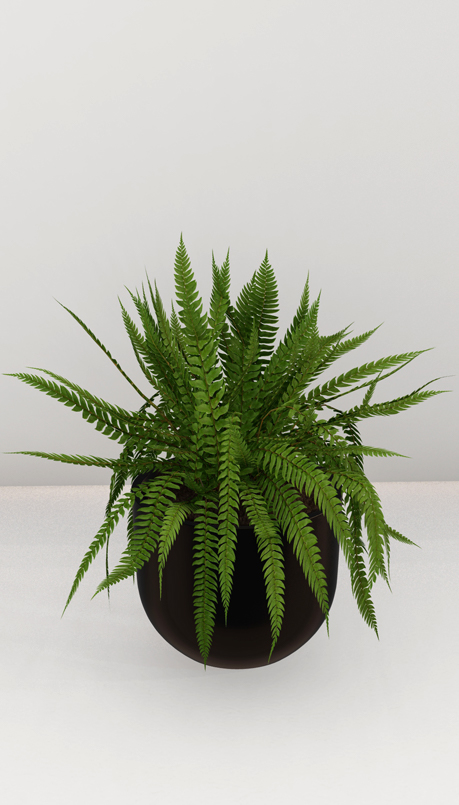
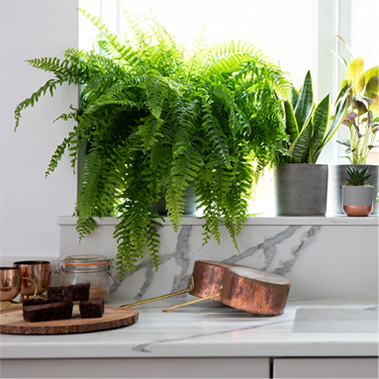
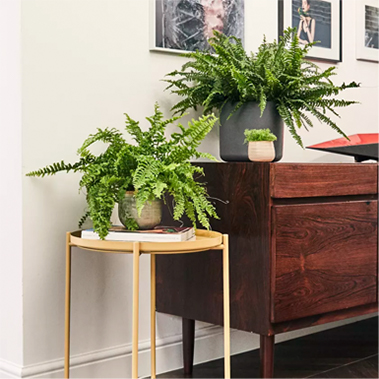
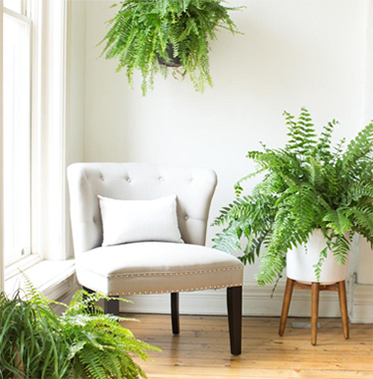
If the Queen’s Fern symbolizes prosperity, then the Boston Fern represents striving in life, with resilience and strong determination. It brings a sense of well-being, luck, and happiness.
The trend of growing Boston Ferns is on the rise nowadays, not only because of its beauty but also due to its air-purifying capabilities and its ability to add humidity to the environment, creating a gentle effect in the home.
Due to its air-cleansing properties, the Boston Fern is believed to offer genuine health benefits for those with dry skin or throat irritation.
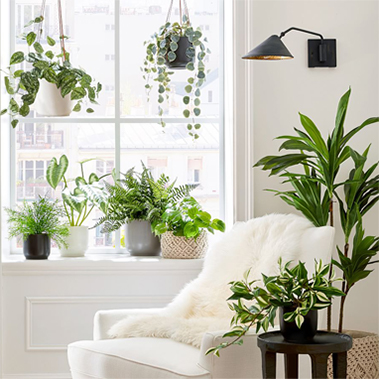
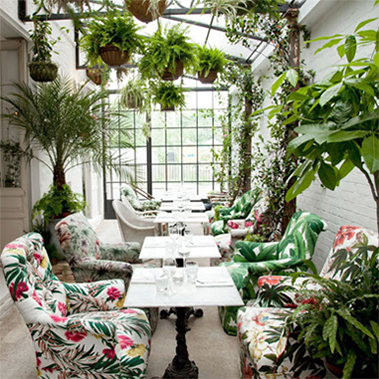
Furthermore, they also add a stylish touch when decorating homes, entrances, and bedrooms. Studies conducted by NASA on indoor plants for clean air have shown that Boston Ferns have the ability to absorb formaldehyde from the environment. Formaldehyde is one of the indoor air pollutants mainly released from cooking, smoking, cosmetics, paint, and more.
Origin North America
Genus Nephrolepidaceae
Search Name Boston Fern
LIGHT : This plant is reasonably comfortable in a wide range of light conditions, anywhere from bright, indirect sunlight to light shade.
TEMPERATURE :
It prefers average household temperatures: between 16-24°C, but does not allow it to fall lower than 12°C. Avoid cold droughts.
GROWTH RATE : Boston Fern is a fast-growing fern which typically reaches an ultimate height of around 1 meter.
SOIL
Boston Fern prefers rich organic soil with good drainage. The soil pH should be slightly acidic (6.0 to 6.5).
NUTRITION
To keep the plant vibrant, fertilize it once a month.
WATERING
Keep the soil moist at all times. Water when the surface becomes slightly dry. Do not overwater and use lukewarm, soft water where possible.
CARE
Indoor Boston Ferns should be fed every month during spring and summer using a liquid houseplant fertilizer with a 20-10-20 ratio at half strength. No need to fertilize during the late fall and winter months.
AIR PURIFICATION
This plant helps filter out toxins from the air and is part of our clean air plant collection.
TOXICITY
This fern is considered non-toxic and is therefore safe around children and pets.
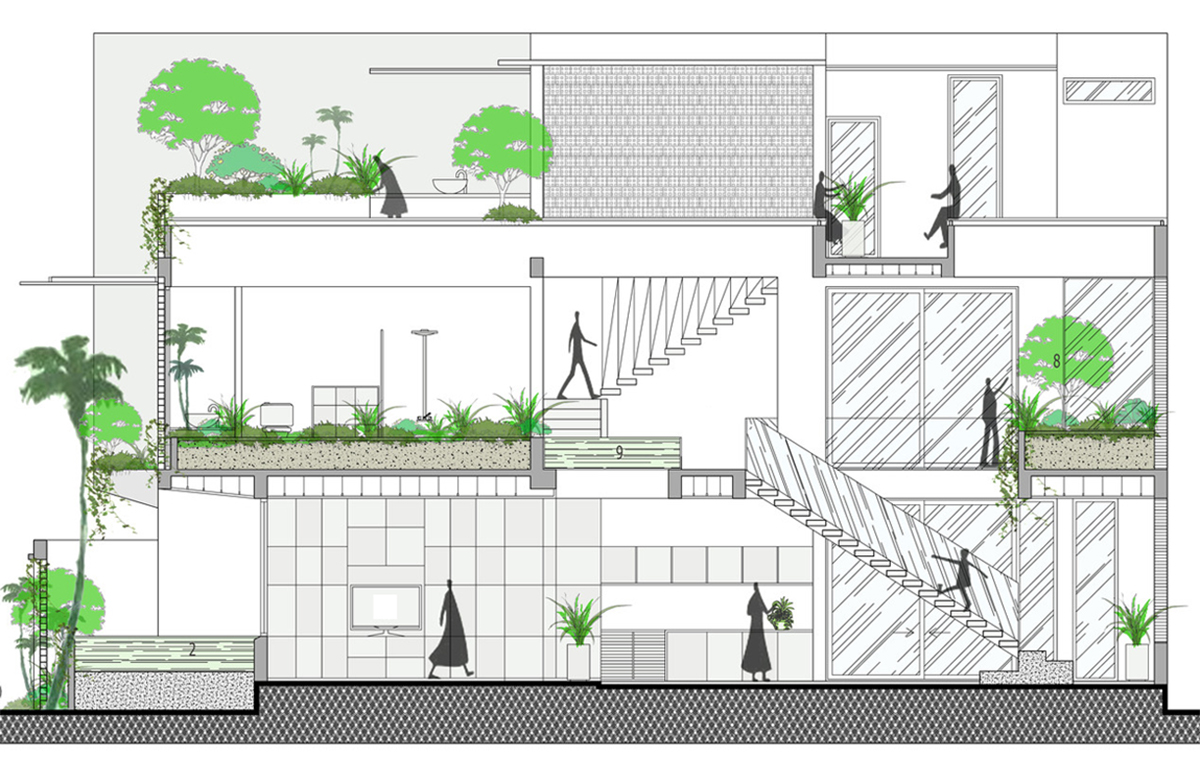
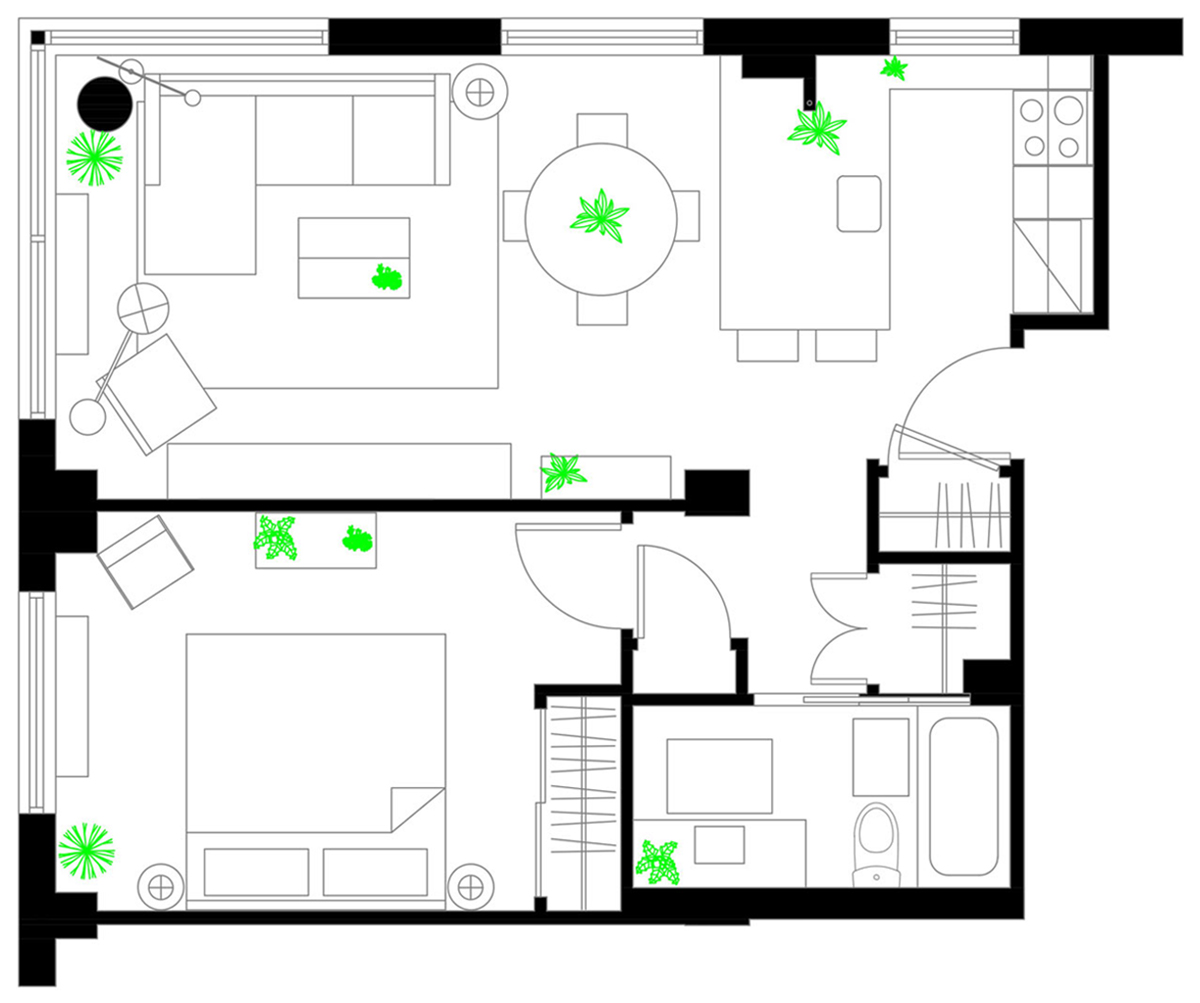
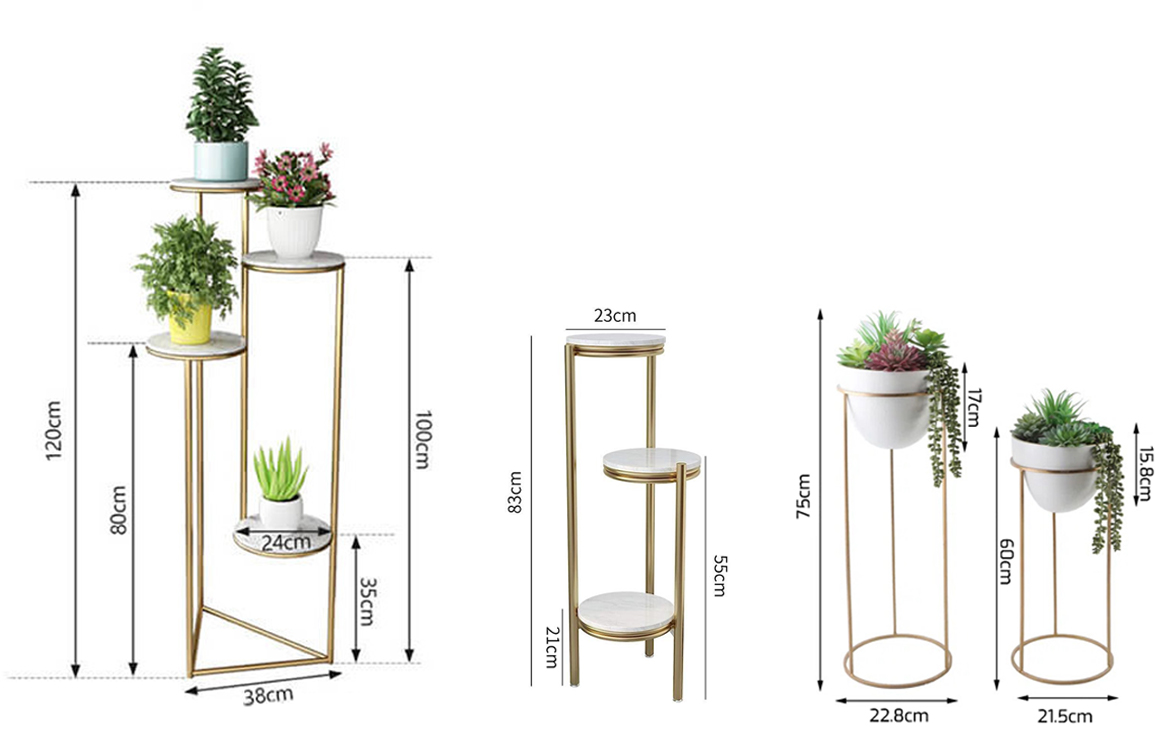
ARRANGE AND PLACE TREES TO HELP THE TREE AS FRESH AS POSSIBLE
GREAT BENEFITS OF GROWING INDOOR PLANTS
HELP IMPROVE HEALTH PROMOTION
The plant has proven itself to help relieve stress, create comfort. People living in a natural environment will help to feel happier.
AIR PURIFICATION INCREASES QUALITY OF LIFE
Greening the habitat. Helps reduce 50-60% of mold & pathogenic bacteria in the air. Retains moisture, removes harmful contaminants, produces oxygen.
CONCEPT REFERENCES
EASIER TREE CARE WITH SMART AUTOMATED CARE SYSTEM
SMART AUTOTROPHIC POTS
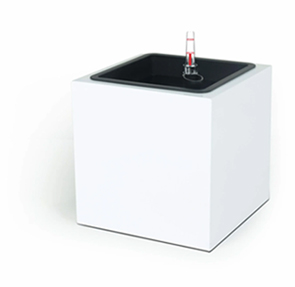
Are self-watering pots worth considering? These pots can help us save effort in tending to our plants, as they don’t require daily watering, yet the plants can still thrive. Smart self-watering planters function by providing water and nutrients to the plants through a reverse osmosis mechanism, similar to an underground water network within the pot that keeps the soil moist. Each watering can supply enough water for the plants to last from 7 to 30 days, depending on the plant type and its placement.
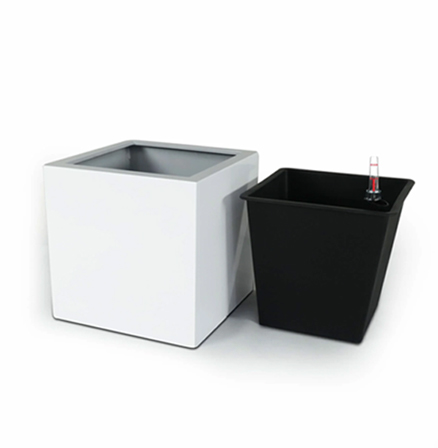
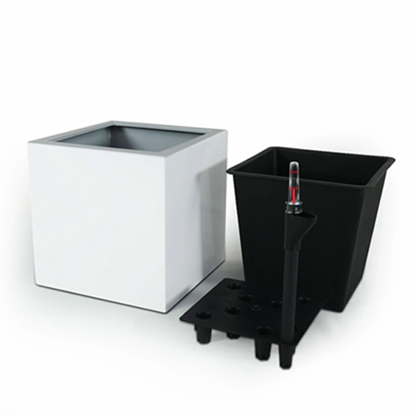
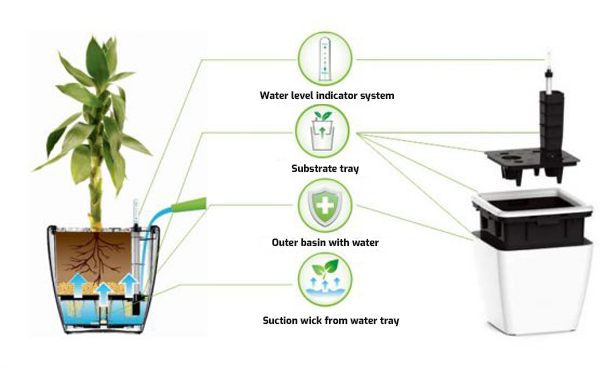
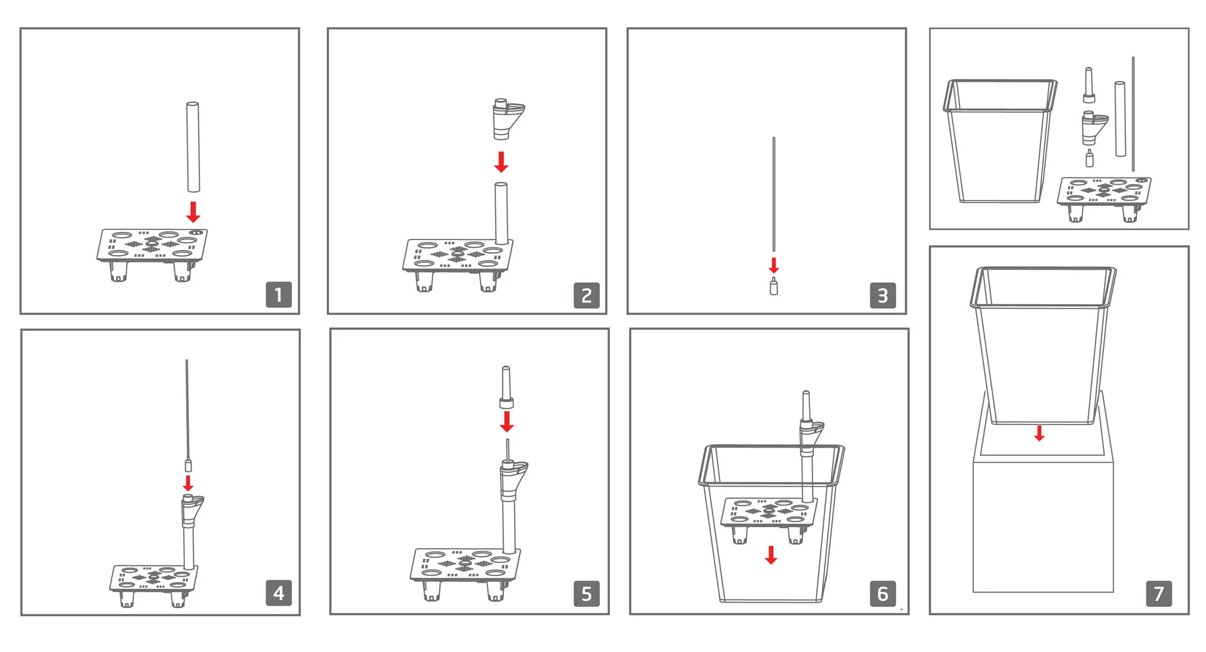
The smart self-watering pots typically consist of four main components:
Water reservoir (tray), this is also usually the outermost layer of pot that both acts as a water storage tray and is the overall structure and external appearance of the pot
Inner pot: This tray is placed in and above the water tray, without direct contact with the water tray. The Inner pot usually has multiple outlet holes and is connected to the water tray through the suction wick.
Wicking system: This component is quite crucial as it acts as a conduit for drawing moisture from the water reservoir to supply water to the media tray.
Water level indicator system: can be a buoy, or a transparent indicator line.
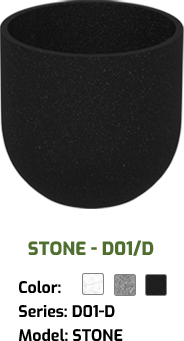
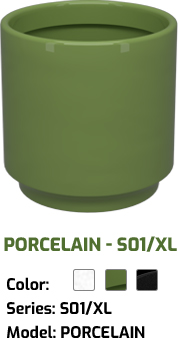
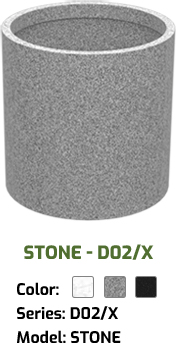
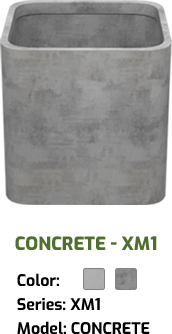
MULTI-MATERIAL EXTERNAL POTS
INNER POT LAYERS
AUTOTROPHIC SYSTEM
THE PRINCIPLE OF OPERATION OF SELF-WATERING POTS: CAPILLARY MECHANISM
The mechanism behind how self-watering pots work is a phenomenon known as “capillary activity” or “wicking phenomenon.”
Capillaries in self-watering pots are usually wick threads made from fabrics that are highly absorbent and durable. One end of the suction wick is submerged in water; The upper end is placed in the middle of the layer of planting soil.
When plants have a need for water, they will absorb water in the soil, when this soil moisture will decrease. And at that moment, the wick will suck a corresponding amount of water to balance the moisture for the tray containing the substrate.
Note when planting new or replacing the soil for self-irrigating pots: You need to water the substrate layer immediately after planting. Or for some reason the substrate layer is too dry, water them. Then the suction wick will be responsible for supplying water to this substrate.
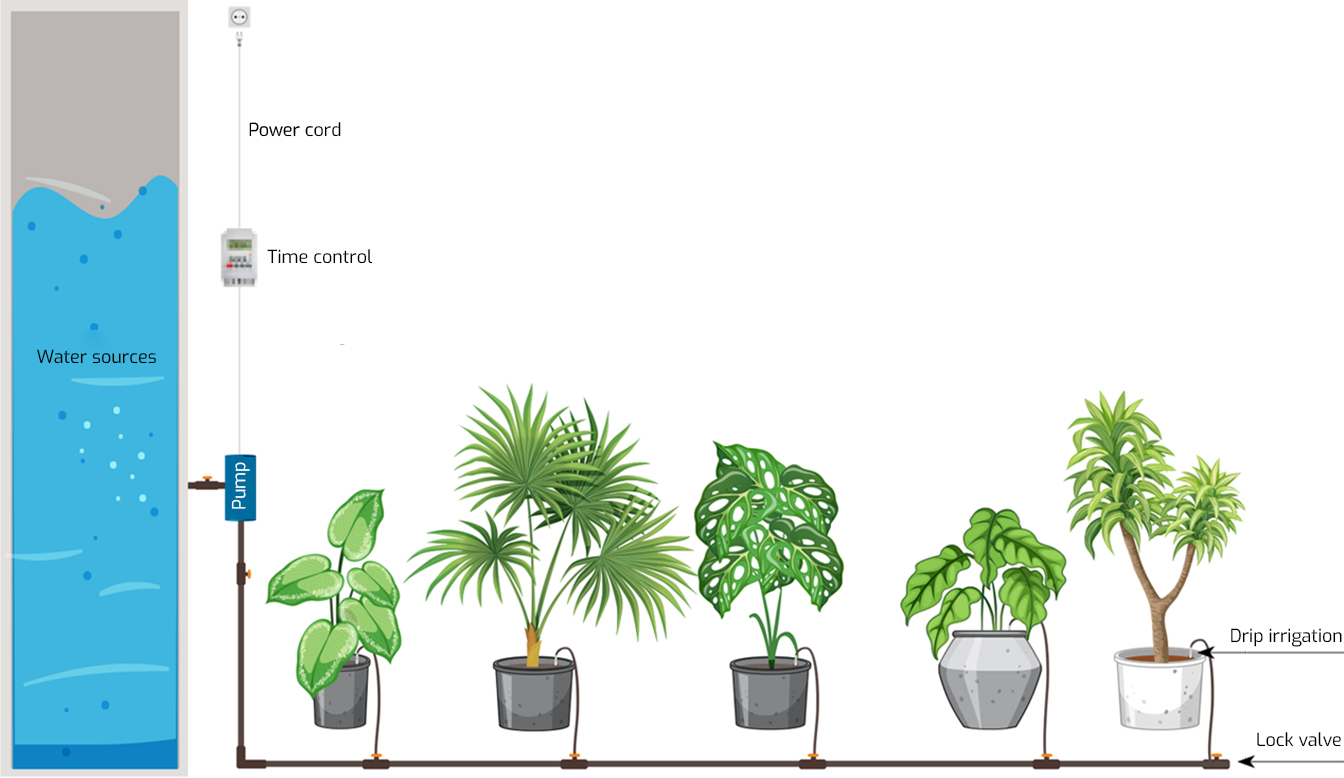
Smart Irrigation System is a system of irrigation equipment capable of automatically On/Off to water the garden at the right time and water flow that you want. This system will help you save up to 80% of your watering time compared to traditional watering methods.
In a basic smart automatic irrigation system, the following components will be included:
Booster water pump: Filter; Automatic irrigation control timer: Wiring; Types of automatic irrigation heads: Accessories (PVC fittings, pipe connectors, pipe caps….).