


Hoa Cúc

SYMBOL OF PROSPERITY, FORTUNE, LONGEVITY

Florist’s Chrysanthemum

Hoa Cúc

SYMBOL OF PROSPERITY, FORTUNE, LONGEVITY

MSP: C0014

Plant size (height cm)

40 - 60
70 - 100

Vietnamese name

English name

Science name

Mature size

Filtration of harmful substances

Hoa Cúc

Florist’s Chrysanthemum

Chrysanthemum morifolium

40 - 100 cm

Trichloroethylene, Formaldehyde, Xylen, Bezen, Aminiac

Cây Lưỡi Hổ
Cau Nga Mi
Cây Lưỡi Hổ
Cau Nga Mi
Cọ Quý Bà

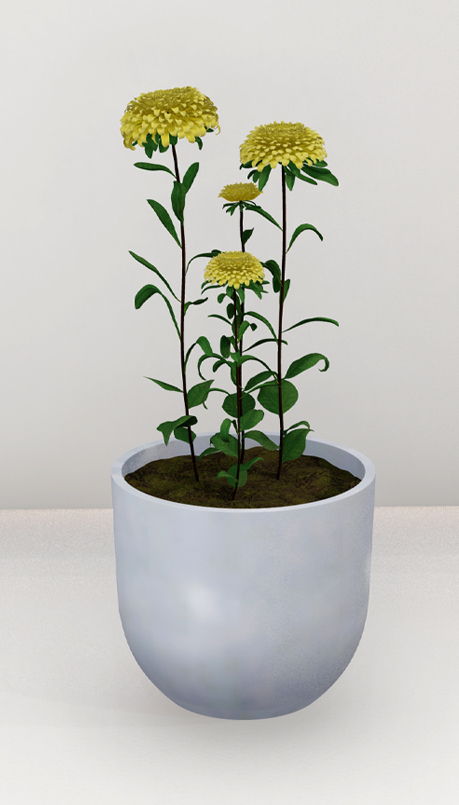
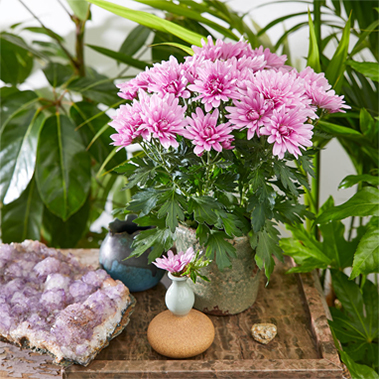
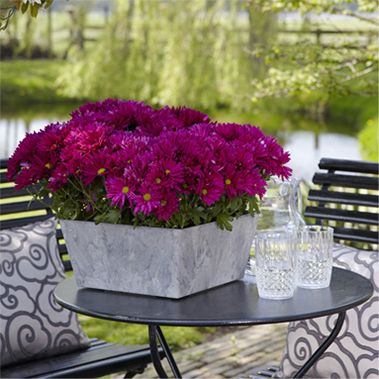
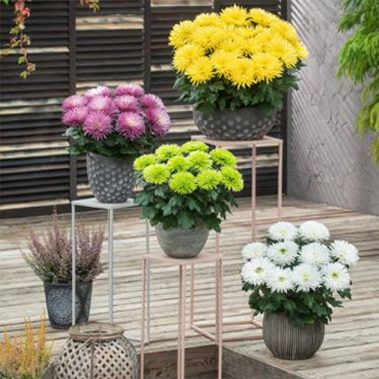
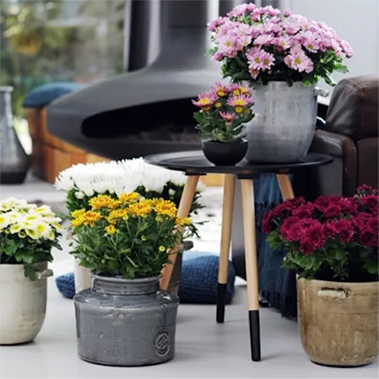
   According to some research documents, Florist’s Chrysanthemums are believed to have originated from Japan and China, dating back 3000 to 5000 years ago. Florist’s Chrysanthemum have always been renowned as a beautiful flower. In Vietnam, they are grouped together with Pine, Bamboo, and Plum blossoms in the ” Four-quarter”.

    In feng shui, a Florist’s Chrysanthemum symbolizes longevity, brings prosperity, and has the ability to stabilize energy fields. They carry the symbolism of life, blessings, and joy. Hence, Florist’s Chrysanthemum not only enhances aesthetics but also contributes to a positive spiritual well-being.

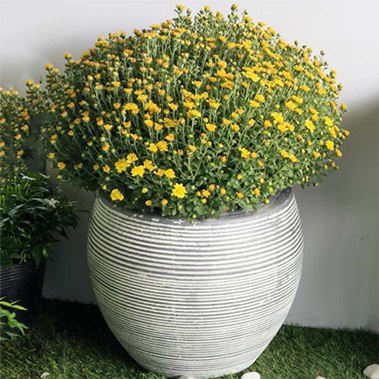
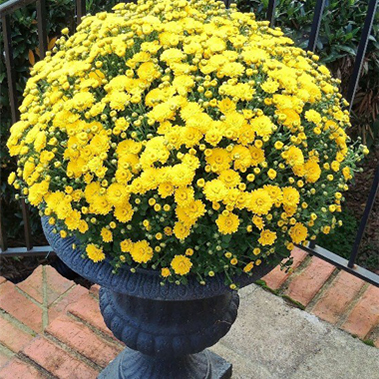
    The flowers of this plant are enduring in color, long-lasting, easy to care for, and come in a wide range of colors and varieties. They hold both ornamental and practical value, being suitable for admiration, consumption, making alcohol, tea, and medicine. Florist’s Chrysanthemum thrive in well-lit places but prefer a cool climate. Therefore, direct sunlight is not suitable for them. The most suitable places are balconies or south-facing windows within the house.

Cau Nga Mi

Origin
Asia

Cau Nga Mi

Genus
Asteraceae

Cau Nga Mi

Search Name
Florist’s Chrysanthemum

Cau Nga Mi

LIGHT : Florist’s Chrysanthemums thrive in light, and ample light will lead to good growth and development, beautiful flowers, and high durability. However, excessive light intensity can reduce photosynthetic activity.

Cau Nga Mi

TEMPERATURE :
The suitable temperature for flower development is 15 - 25°C (59 - 77°F), and they grow best in cool climatic conditions.

Cau Nga Mi

GROWTH RATE :
The growth period for chrysanthemum plants is around 10 - 12 weeks, from bud initiation to harvest, which takes about 2.5 - 3.5 weeks.

Cau Nga Mi

SOIL
Sandy soil rich in organic matter, loamy soil, red basalt soil, or light loamy soil are all suitable, as long as they are well-draining and have a pH level of 6 - 6.5.

Cau Nga Mi

NUTRITION
Florist’s Chrysanthemums require nitrogen and potassium during the flowering phase. Avoid fertilizing early in the morning when the plant is still wet, as it can lead to leaf burn, and also avoid fertilizing during the sunny midday hours.

Cau Nga Mi

WATERING
Water lightly every morning and afternoon, around 2-3 times per day. Sprinkler irrigation, furrow irrigation, or drip irrigation are all suitable methods. Avoid overwatering, which can lead to root rot.

Cau Nga Mi

CARE
Regularly weed the garden to limit hidden pests and keep the area well-ventilated. Pay attention to potential harmful agents such as powdery mildew, aphids, leaf miners, leafrollers, red spiders, and caterpillars.

Cau Nga Mi

AIR PURIFICATION
This plant type filters toxins from the air and is part of our clean air plant collection.

Cau Nga Mi

TOXICITY
Florist’s Chrysanthemum are considered non-toxic and safe to have around children and pets.

ARRANGE AND PLACE TREES
TO HELP THE TREE AS FRESH AS POSSIBLE

Cau Nga Mi
Cau Nga Mi

GREAT BENEFITS OF GROWING INDOOR PLANTS

HELP IMPROVE HEALTH PROMOTION

The plant has proven itself to help relieve stress, create comfort.
People living in a natural environment will help to feel happier.

Bamboo Palm

AIR PURIFICATION INCREASES QUALITY OF LIFE

Greening the habitat. Helps reduce 50-60% of mold & pathogenic bacteria
in the air. Retains moisture, removes harmful contaminants, produces oxygen.

Bamboo Palm

CONCEPT REFERENCES

EASIER TREE CARE WITH SMART
AUTOMATED CARE SYSTEM

SMART AUTOTROPHIC POTS

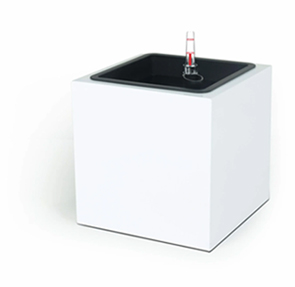
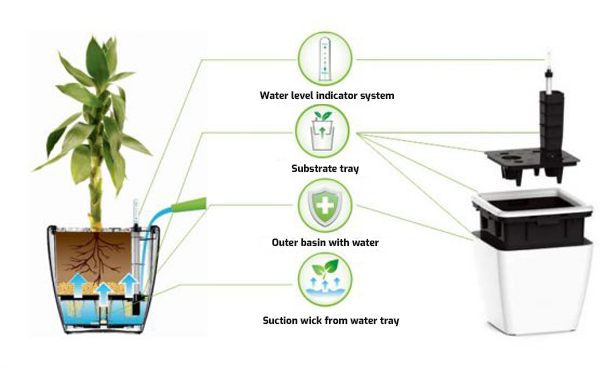
  Are self-watering pots worth considering? These pots can help us save effort in tending to our plants, as they don’t require daily watering, yet the plants can still thrive. Smart self-watering planters function by providing water and nutrients to the plants through a reverse osmosis mechanism, similar to an underground water network within the pot that keeps the soil moist. Each watering can supply enough water for the plants to last from 7 to 30 days, depending on the plant type and its placement.


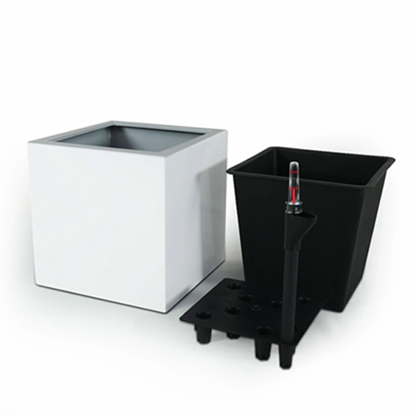
The smart self-watering pots typically consist of four main components:


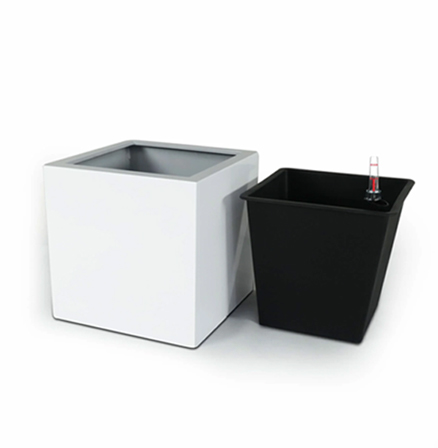
  1. Water reservoir (tray), this is also usually the outermost layer of pot that both acts as a water storage tray and is the overall structure and external appearance of the pot
  2. Inner pot: This tray is placed in and above the water tray, without direct contact with the water tray. The Inner pot usually has multiple outlet holes and is connected to the water tray through the suction wick.
  3. Wicking system: This component is quite crucial as it acts as a conduit for drawing moisture from the water reservoir to supply water to the media tray.
  4. Water level indicator system: can be a buoy, or a transparent indicator line.
Cau Nga Mi
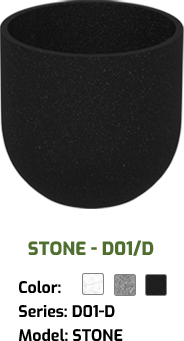
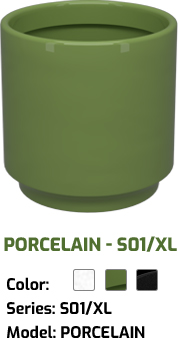
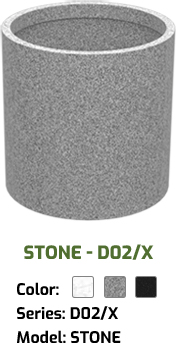
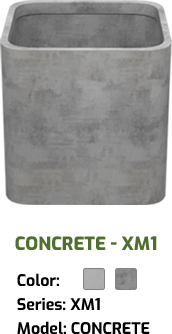
MULTI-MATERIAL EXTERNAL POTS
Cau Nga Mi
INNER POT LAYERS
Cau Nga Mi
AUTOTROPHIC SYSTEM
THE PRINCIPLE OF OPERATION OF SELF-WATERING POTS: CAPILLARY MECHANISM

  The mechanism behind how self-watering pots work is a phenomenon known as “capillary activity” or “wicking phenomenon.”

  Capillaries in self-watering pots are usually wick threads made from fabrics that are highly absorbent and durable. One end of the suction wick is submerged in water; The upper end is placed in the middle of the layer of planting soil.

  When plants have a need for water, they will absorb water in the soil, when this soil moisture will decrease. And at that moment, the wick will suck a corresponding amount of water to balance the moisture for the tray containing the substrate.

  Note when planting new or replacing the soil for self-irrigating pots: You need to water the substrate layer immediately after planting. Or for some reason the substrate layer is too dry, water them. Then the suction wick will be responsible for supplying water to this substrate.

Bamboo Palm
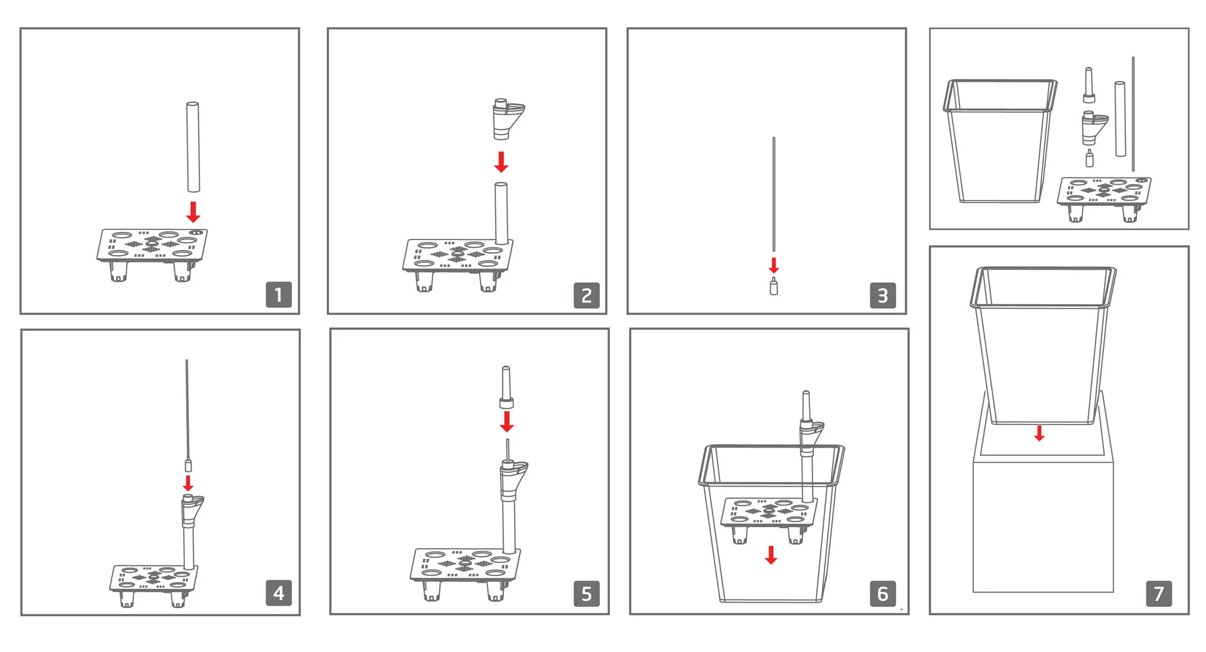
STEPS TO INSTALL A PLANT AUTOTROPHIC SYSTEM
Cau Nga Mi
SEE MORE POT MODELS
Bamboo Palm
Bamboo Palm
Bamboo Palm
Bamboo Palm
REFERENCE DECORATION SHEET FOR PLANT
Huyết Dụ
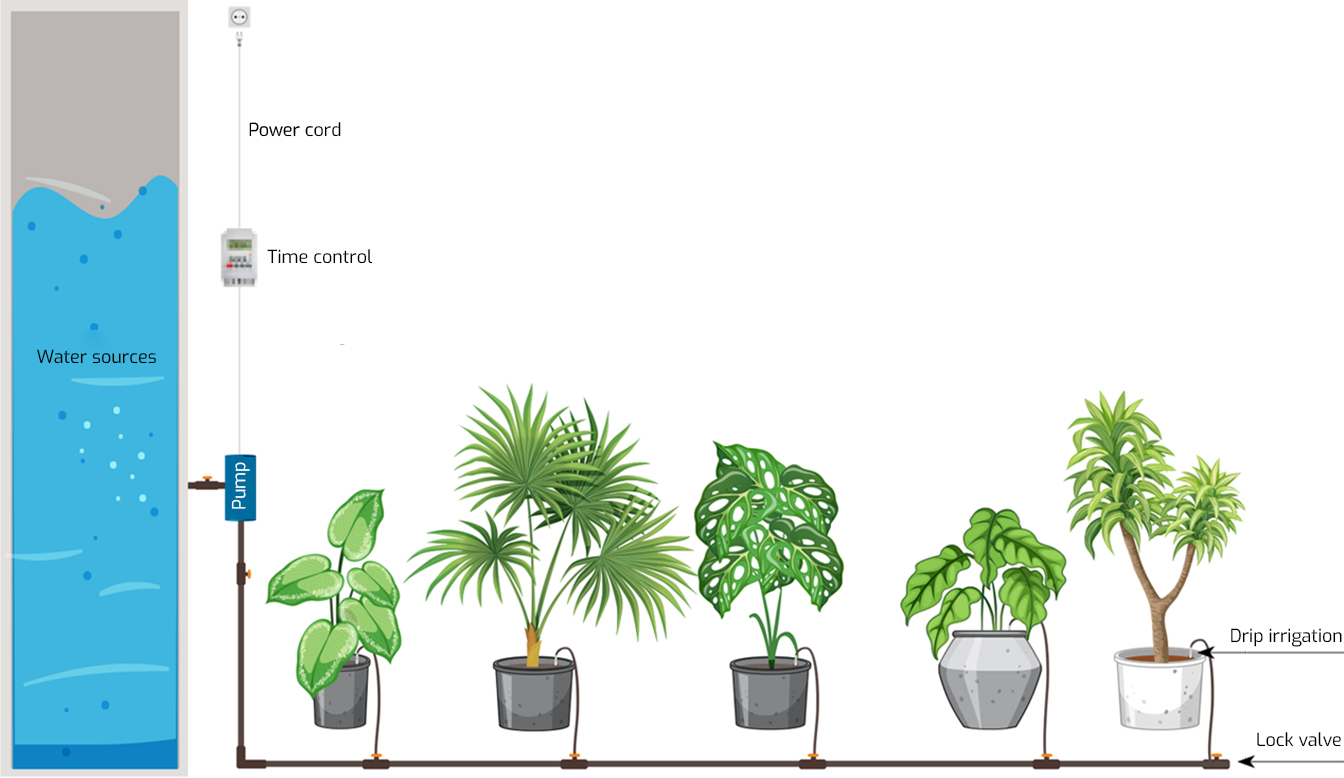
SMART PLANT IRRIGATION SYSTEM

Smart Irrigation System is a system of irrigation equipment capable of automatically On/Off to water the garden at the right time and water flow that you want. This system will help you save up to 80% of your watering time compared to traditional watering methods.

In a basic smart automatic irrigation system, the following components will be included:

Booster water pump: Filter; Automatic irrigation control timer: Wiring; Types of automatic irrigation heads: Accessories (PVC fittings, pipe connectors, pipe caps….).

Green Solution
[ CONTACT INFOR ]

AKI designer

WELCOME!

LOCATION

33A Ngõ 41 Thái Hà, Đống Đa, Hà Nội

HOTLINE

033. 266. 6061

SUPPORT

Business: Ms Hằng
Customer care: Ms Huyền 0947.507.088
Office: Ms Hòa 0838.559.707
Shopware: Ms Thủy 0985.027.802
Supervision:
  • Mr Ban 032.691.8199
  • Mr Quang 091.651.2796