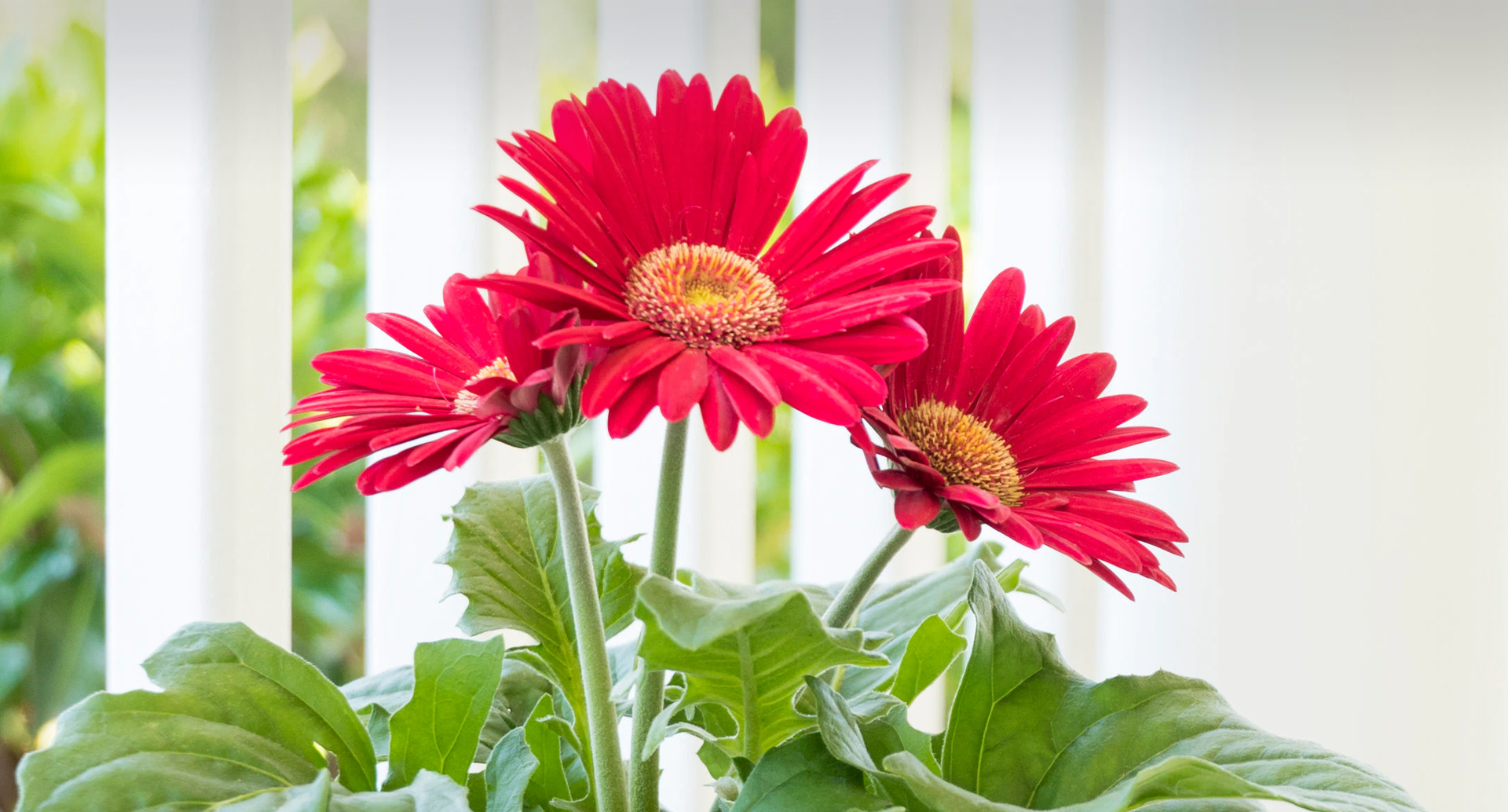
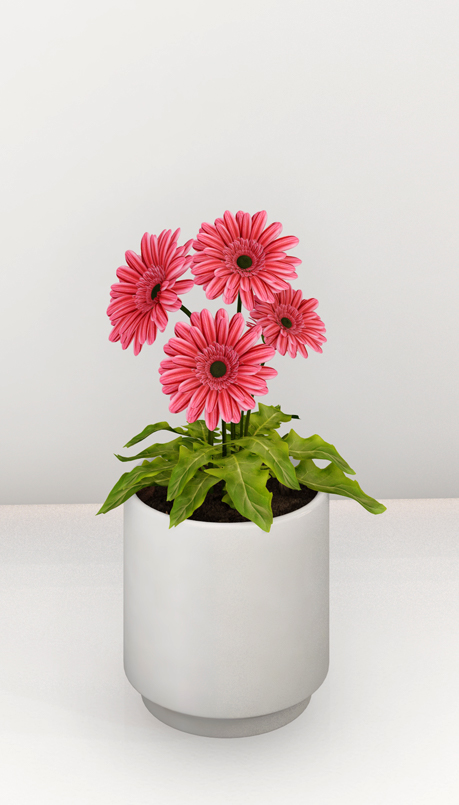
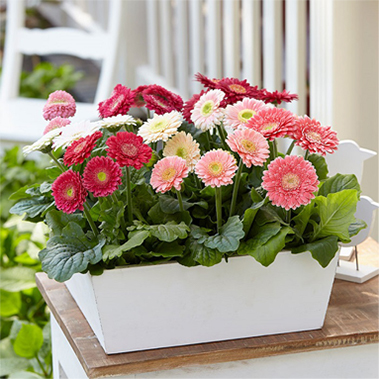
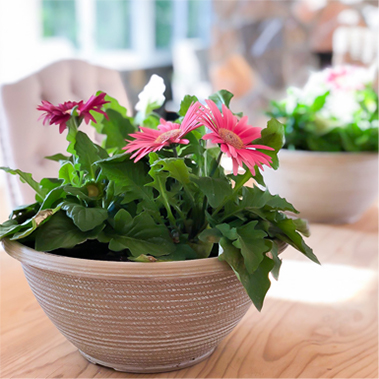
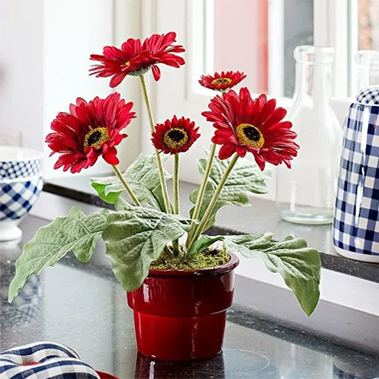
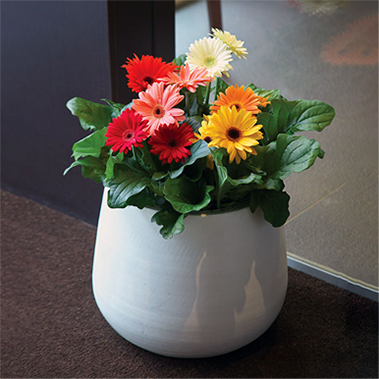
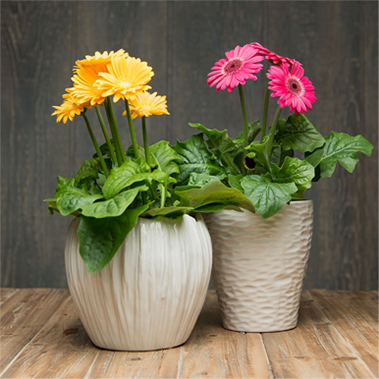
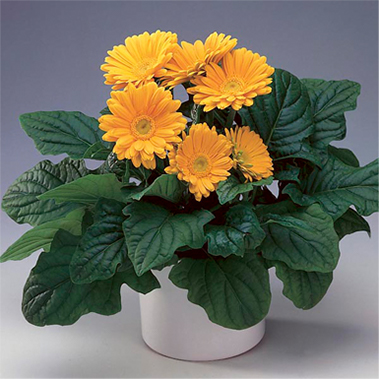
The barberton daisy is undoubtedly a flower that holds a familiar place in our lives. With its impressive range of species (over 3000 varieties), colors, and fragrances, barberton daisies find their home in pots, adorning balconies, living rooms, gardens, and beyond.
In the realm of feng shui, the barberton daisy is known as the “money tree,” symbolizing the most auspicious and joyous elements of life. During festive occasions such as the Lunar New Year, the barberton daisy carries connotations of wealth and good fortune. It’s believed that a flourishing barberton daisy during the Lunar New Year can draw in prosperity, pave the way for successful endeavors, and reap abundant rewards.
Moreover, each color of the barberton daisy imparts its own distinct symbolism. For instance, the red barberton daisy signifies profound and passionate love, while the yellow variety embodies luck and felicity. In ancient Egyptian times, the barberton daisy was regarded as a homage to the sun’s devotion. Among the Celts, the barberton daisy was thought to alleviate the strains of daily life.
Origin Asia & Southern Africa
Genus Asteraceae
Search Name Barberton Daisy
LIGHT : Barberton Daisy prefers bright light. Adequate sunlight promotes healthy growth, beautiful flowers, and durability. However, excessive light intensity can reduce photosynthetic activity.
TEMPERATURE :
The suitable temperature range for flower development is 15 - 25°C, and they thrive in cooler climates.
GROWTH RATE : They can grow up to 60 cm tall and 45 cm wide. The flowering cycle of Barberton daisies typically occurs around the third or fourth month after planting.
SOIL
They thrive in well-draining, loose soil, preferably a loamy soil mixed with clay, rich in organic matter, and with good water drainage. The ideal pH range for growing Barberton daisies is between 5.5 - 6.2.
NUTRITION
Use compost, lime, and microbial fertilizers for base dressing, and apply urea, phosphorus, and potassium fertilizers as top dressing. When fertilizing, avoid placing the fertilizer directly at the base of the plant, especially during sunny hours.
WATERING
Water lightly every morning and afternoon with a gentle mist or spray, 2-3 times a day. You can use misting, drip irrigation, or other methods. Avoid excessive watering to prevent root rot.
CARE
After 3-4 months of growth, prune old leaves, remove pests, and diseases. Avoid damaging the plant's roots as it can lead to plant death and reduced flowering.
AIR PURIFICATION
Barberton daisies are known for their ability to filter out air pollutants, making them a valuable addition to our collection of air-purifying plants.
TOXICITY
They are considered non-toxic and safe to have around children and pets.
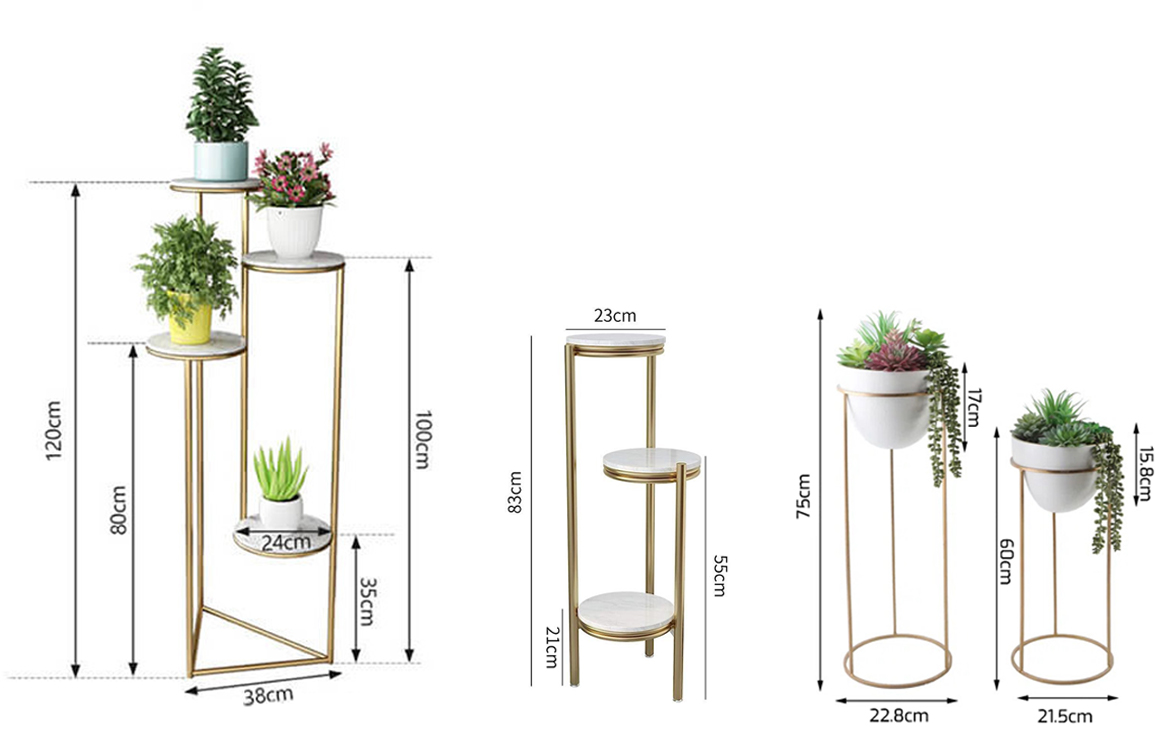
ARRANGE AND PLACE TREES TO HELP THE TREE AS FRESH AS POSSIBLE
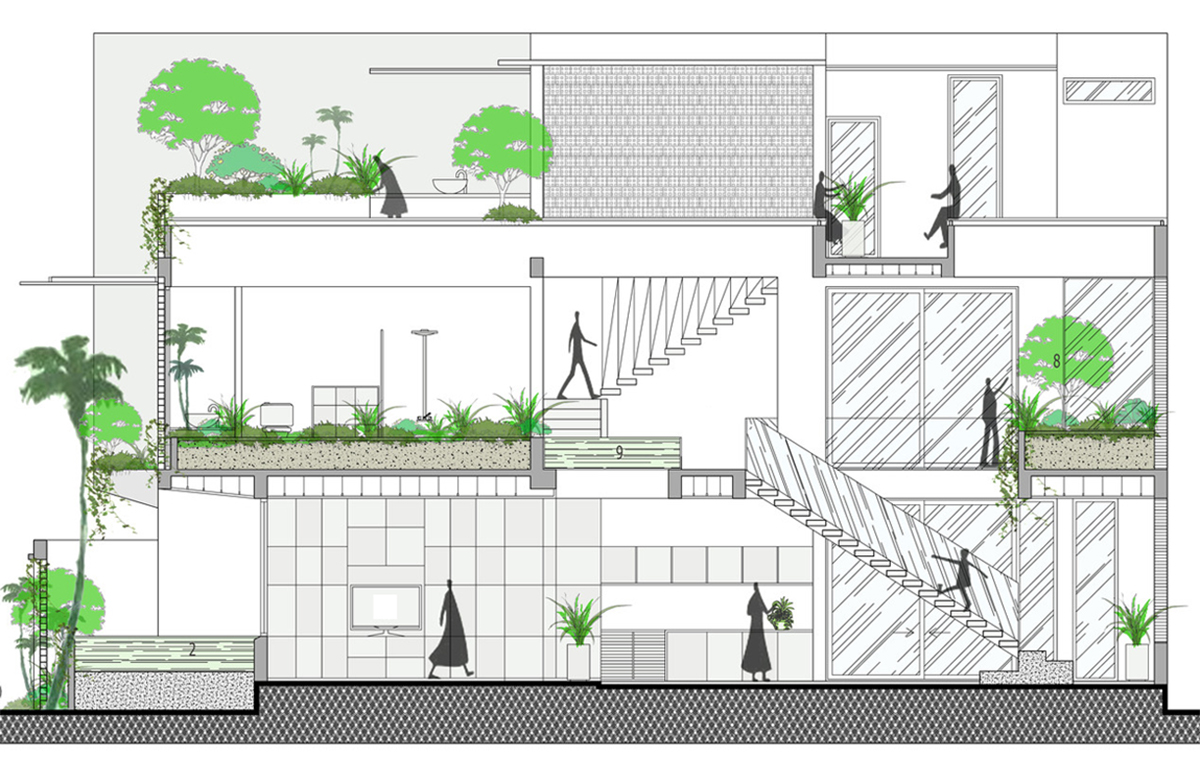
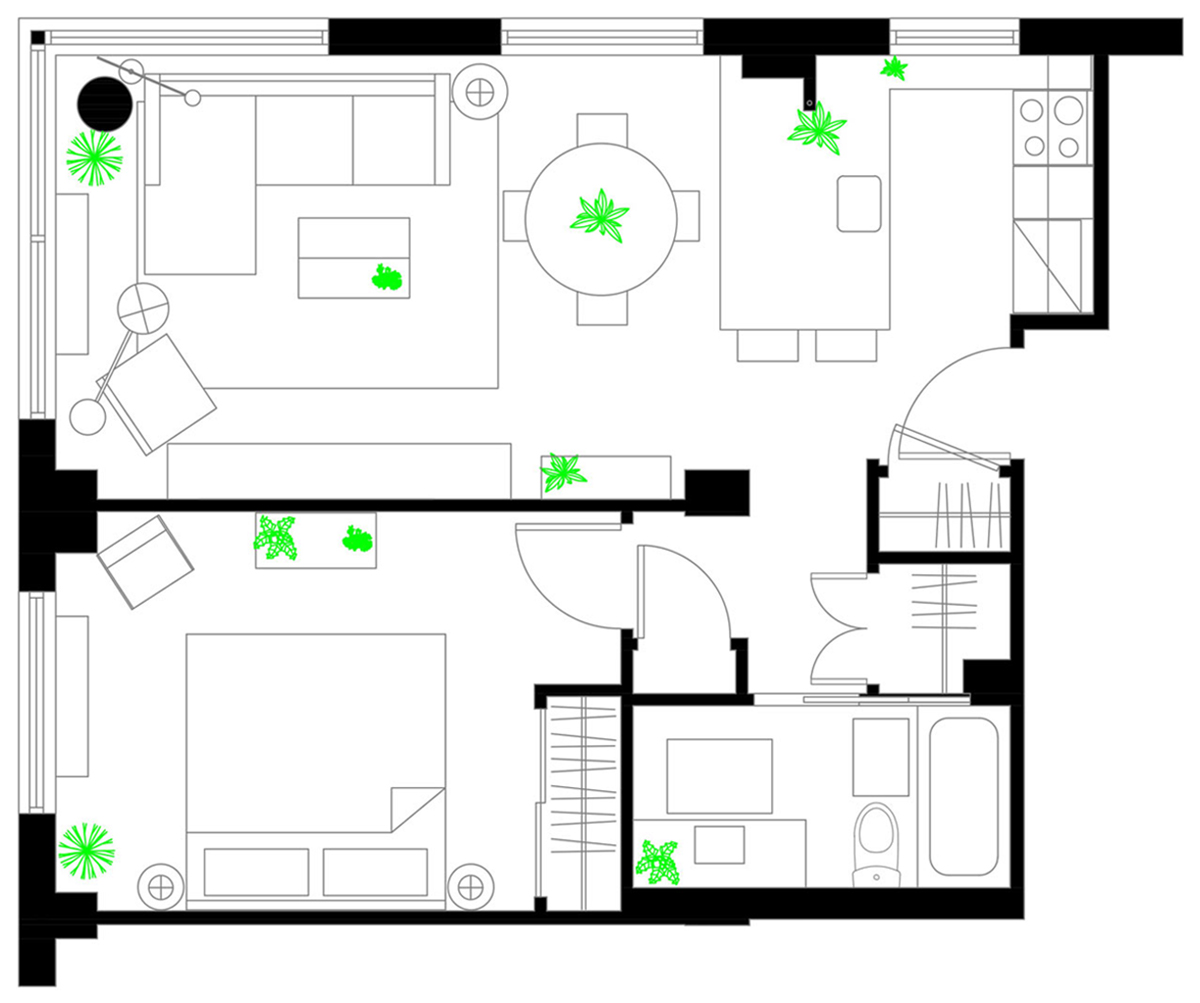
GREAT BENEFITS OF GROWING INDOOR PLANTS
HELP IMPROVE HEALTH PROMOTION
The plant has proven itself to help relieve stress, create comfort. People living in a natural environment will help to feel happier.
AIR PURIFICATION INCREASES QUALITY OF LIFE
Greening the habitat. Helps reduce 50-60% of mold & pathogenic bacteria in the air. Retains moisture, removes harmful contaminants, produces oxygen.
CONCEPT REFERENCES
EASIER TREE CARE WITH SMART AUTOMATED CARE SYSTEM
SMART AUTOTROPHIC POTS
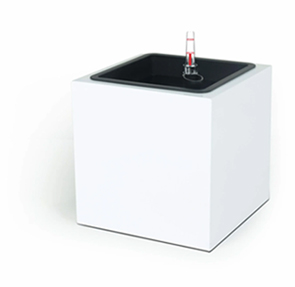
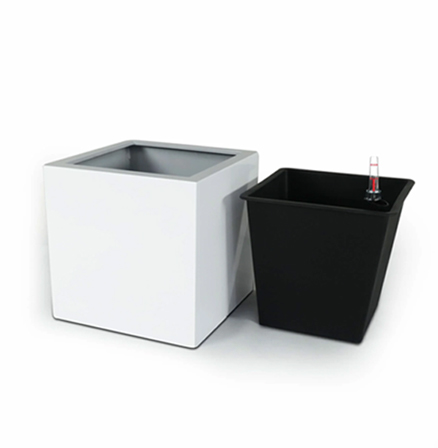
Are self-watering pots worth considering? These pots can help us save effort in tending to our plants, as they don’t require daily watering, yet the plants can still thrive. Smart self-watering planters function by providing water and nutrients to the plants through a reverse osmosis mechanism, similar to an underground water network within the pot that keeps the soil moist. Each watering can supply enough water for the plants to last from 7 to 30 days, depending on the plant type and its placement.
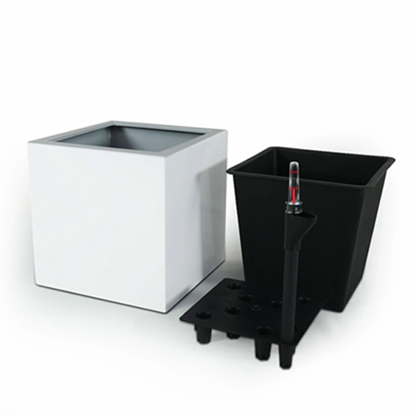
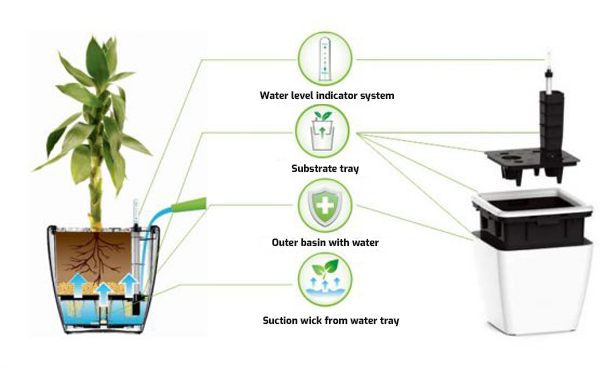
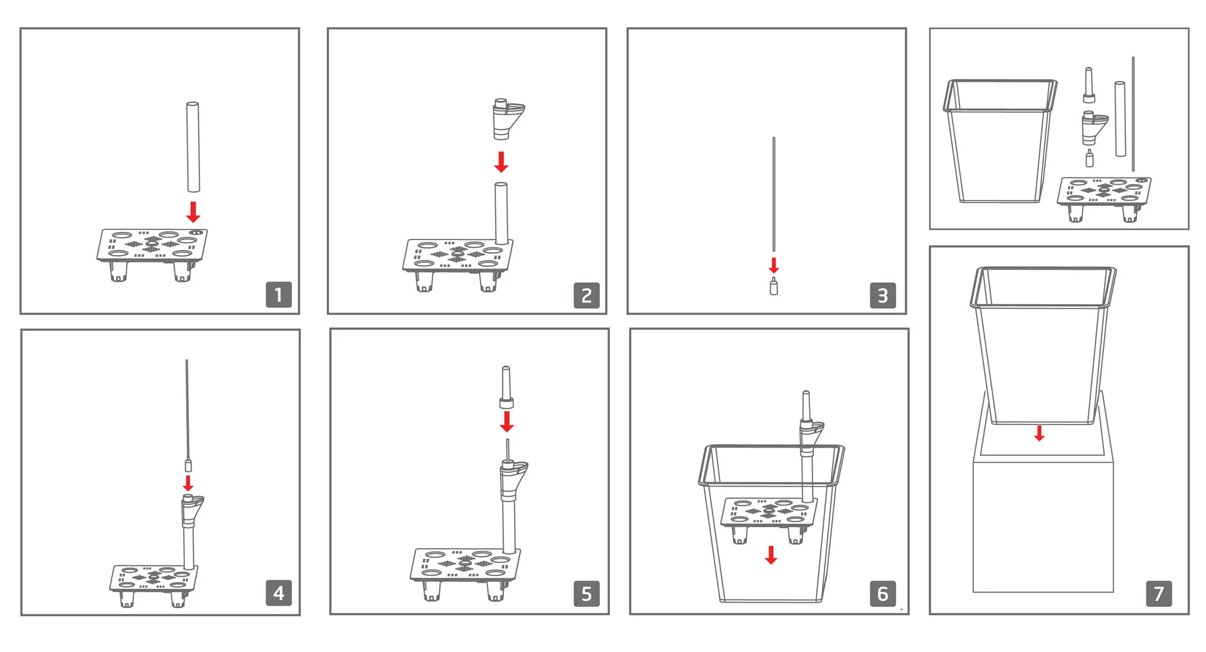
The smart self-watering pots typically consist of four main components:
Water reservoir (tray), this is also usually the outermost layer of pot that both acts as a water storage tray and is the overall structure and external appearance of the pot
Inner pot: This tray is placed in and above the water tray, without direct contact with the water tray. The Inner pot usually has multiple outlet holes and is connected to the water tray through the suction wick.
Wicking system: This component is quite crucial as it acts as a conduit for drawing moisture from the water reservoir to supply water to the media tray.
Water level indicator system: can be a buoy, or a transparent indicator line.
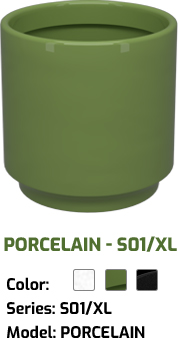
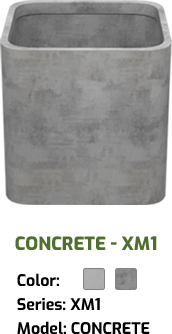
MULTI-MATERIAL EXTERNAL POTS
INNER POT LAYERS
AUTOTROPHIC SYSTEM
THE PRINCIPLE OF OPERATION OF SELF-WATERING POTS: CAPILLARY MECHANISM
The mechanism behind how self-watering pots work is a phenomenon known as “capillary activity” or “wicking phenomenon.”
Capillaries in self-watering pots are usually wick threads made from fabrics that are highly absorbent and durable. One end of the suction wick is submerged in water; The upper end is placed in the middle of the layer of planting soil.
When plants have a need for water, they will absorb water in the soil, when this soil moisture will decrease. And at that moment, the wick will suck a corresponding amount of water to balance the moisture for the tray containing the substrate.
Note when planting new or replacing the soil for self-irrigating pots: You need to water the substrate layer immediately after planting. Or for some reason the substrate layer is too dry, water them. Then the suction wick will be responsible for supplying water to this substrate.
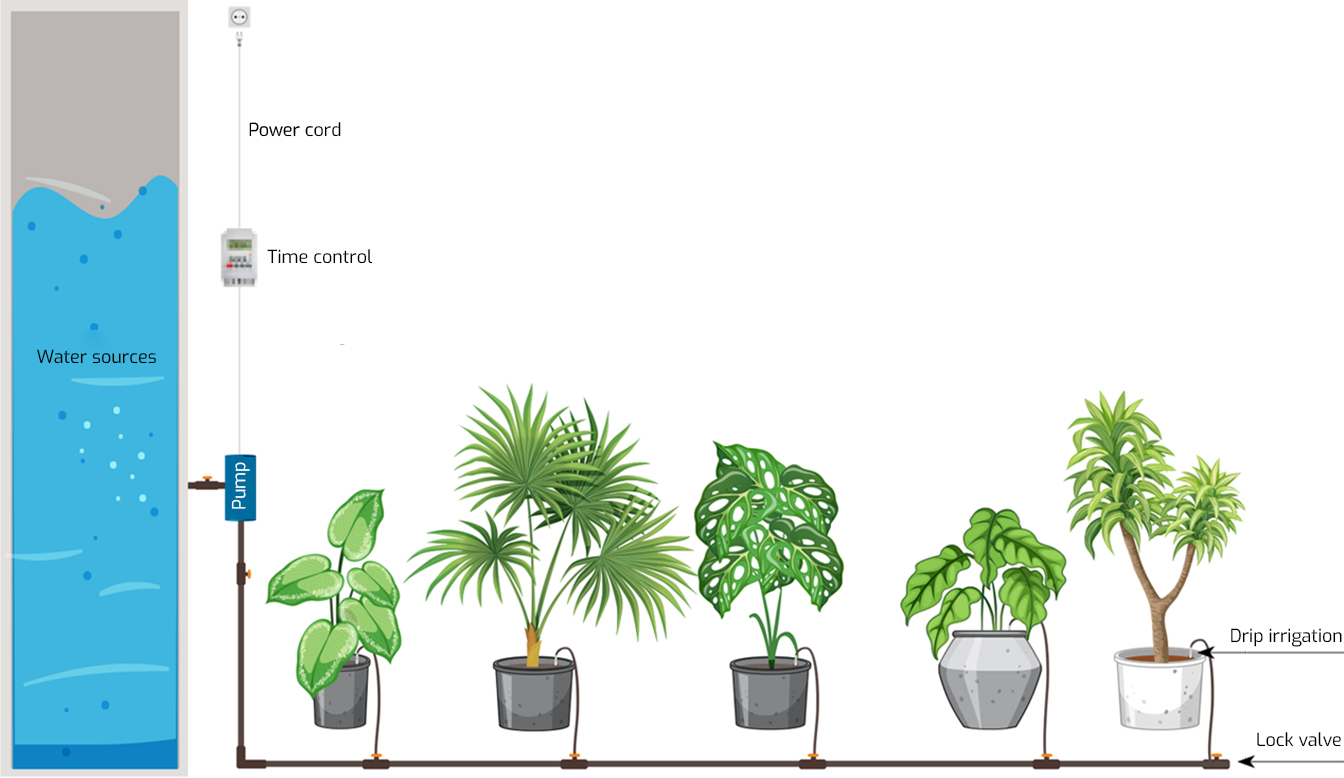
Smart Irrigation System is a system of irrigation equipment capable of automatically On/Off to water the garden at the right time and water flow that you want. This system will help you save up to 80% of your watering time compared to traditional watering methods.
In a basic smart automatic irrigation system, the following components will be included:
Booster water pump: Filter; Automatic irrigation control timer: Wiring; Types of automatic irrigation heads: Accessories (PVC fittings, pipe connectors, pipe caps….).