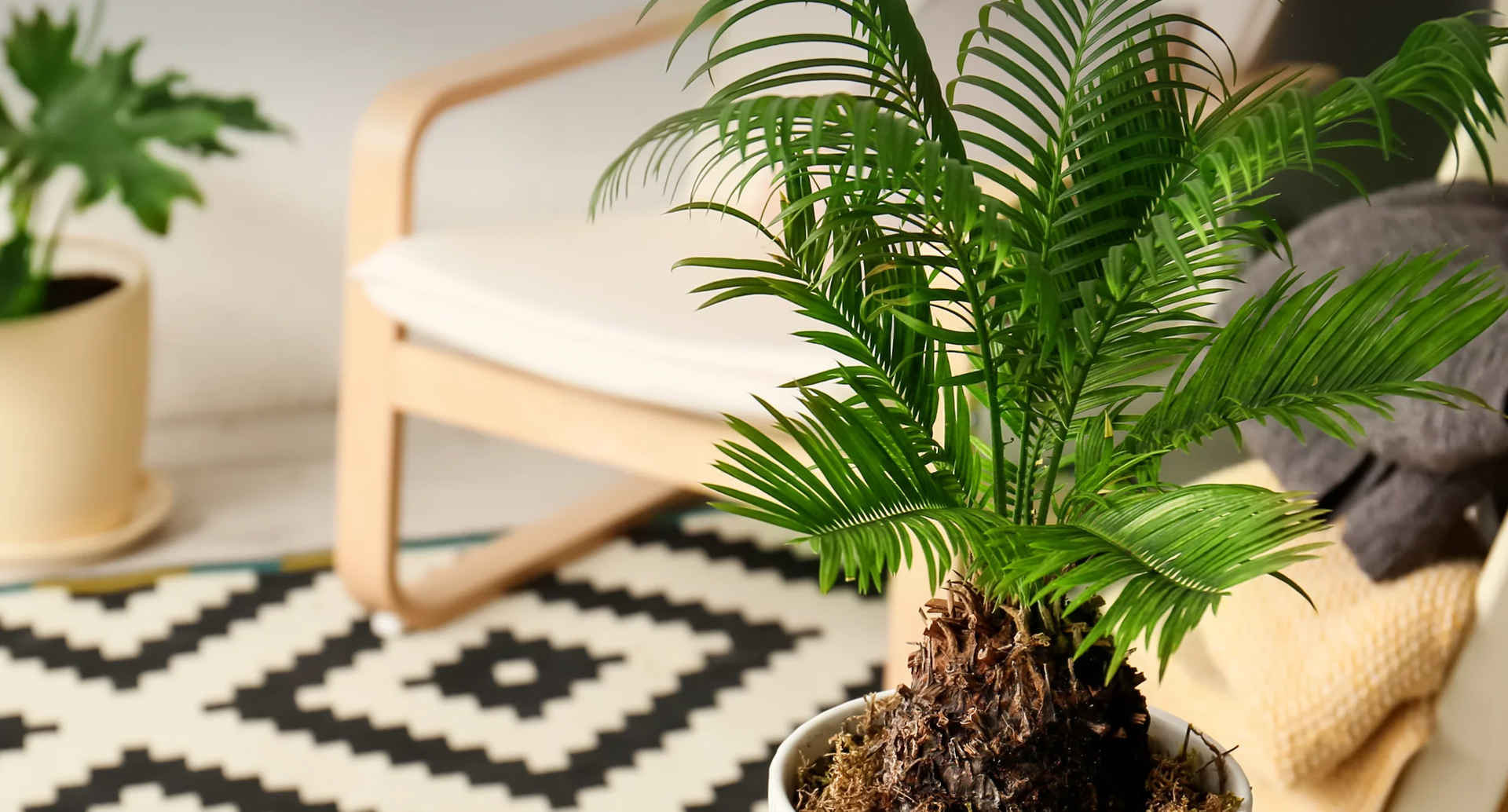
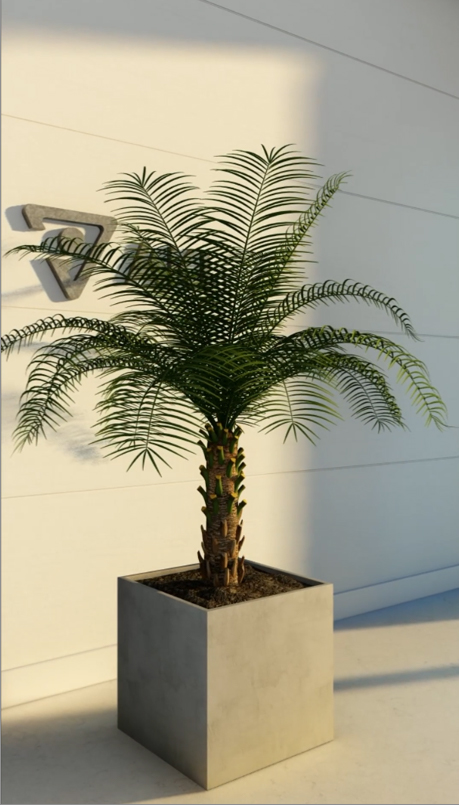
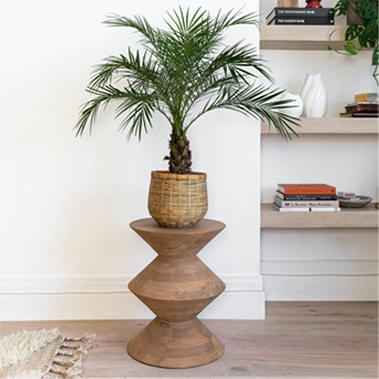
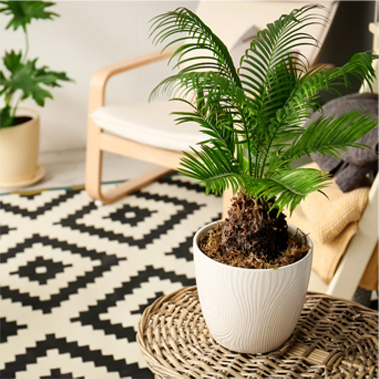
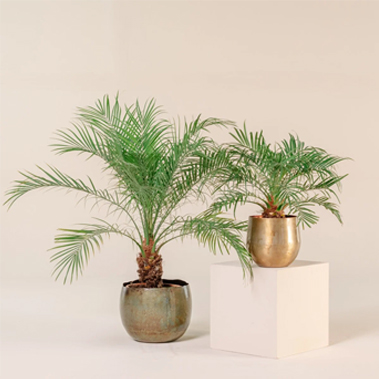
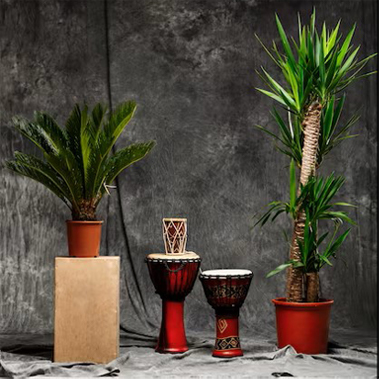
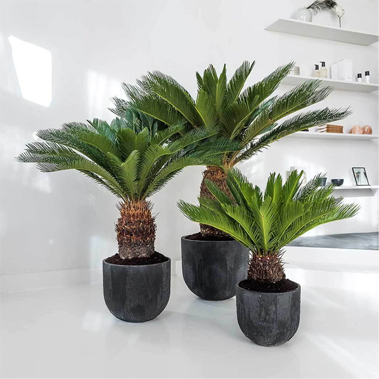
Dwarf date palm, also known as Pygmy Date Palm, is a beautiful woody ornamental plant and is popular in landscape decoration. It is one of the trees with the longest history of existence on earth and is often associated with classic beauty and elegance. It has become a popular houseplant. Because, unlike other plants of the genus Phoenix. It stays extremely well with many environments. It is an outstanding houseplant, exuding warmth and exoticism in the home environment.
Dwarf date palms are scenes with many values that bring luck and fortune to the owner. If planted in the interior space, the homeowner will meet many lucky things, the career path will become more smooth. If you put the Dwarf date palm in the workplace, it will help you prosper, meet many partners, and sign many important contracts. According to Feng Shui, the Dwarf date palm belongs to Carpentry, so it is very suitable for people with wood and earth destinies to help the owners of these two destinies receive more luck.
Origin Chinese & Southeast Asian
Genus Roebeleni
Search Name Dwarf date palm, Pygmy Date Palm
LIGHT : Indirect Light
This plant loves the sun but avoids direct sunlight. Place best in the area near the window.
TEMPERATURE :
>10°C
The temperature range at which this plant is healthiest and grows best. Easy to calculate in normal home conditions, away from cold winds and heat sources.
GROWTH RATE : Grows slowly and usually grows up to about 3m tall. Can reach much higher in the natural environment.
SOIL
Can be grown on a variety of soils. It is necessary to compost the root with straw, grass in the dry season against transpiration of the soil.
NUTRITION
Loosen the soil before planting plants, fertilize buzzing manure. Keep moisture constantly but make sure not to flood.
WATERING
Water in the 6 months of the dry season in the first year of planting. When the plant is young, clear the grass around the base.
CARE
Every year in December to November it is necessary to cut old, dry leaves as young leaves grow. When young leaves grow out, the thorns must be cut so that later on they will not be injured.
AIR PURIFICATION
Palm trees clean and improve air quality by filtering out the toxins formaldehyde, benzene and carbon monoxide from the surrounding environment.
TOXICITY
This plant is known to be non-toxic to animals, however, thorns can be very sharp so be careful when handling and staying away from pets and children.
ARRANGE AND PLACE TREES TO HELP THE TREE AS FRESH AS POSSIBLE
GREAT BENEFITS OF GROWING INDOOR PLANTS
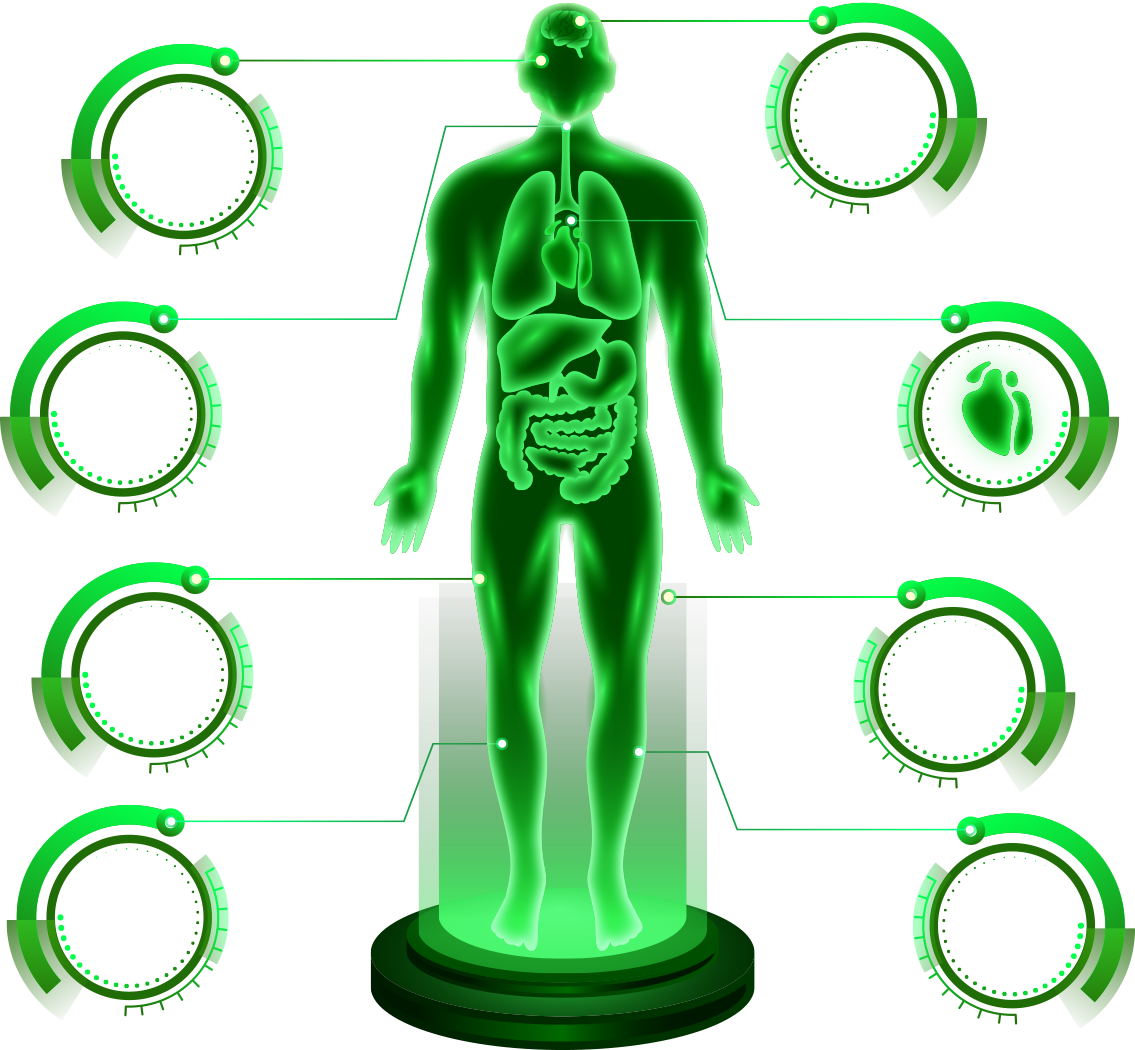
HELP IMPROVE HEALTH PROMOTION
The plant has proven itself to help relieve stress, create comfort. People living in a natural environment will help to feel happier.
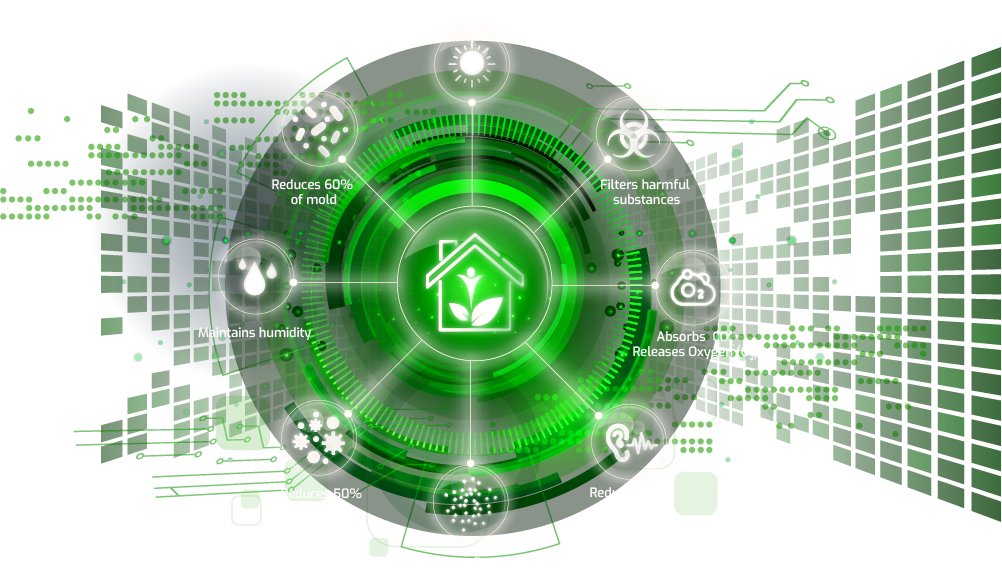
AIR PURIFICATION INCREASES QUALITY OF LIFE
Greening the habitat. Helps reduce 50-60% of mold & pathogenic bacteria in the air. Retains moisture, removes harmful contaminants, produces oxygen.
CONCEPT REFERENCES
EASIER TREE CARE WITH SMART AUTOMATED CARE SYSTEM
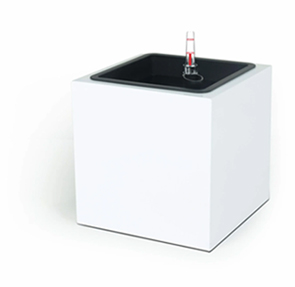
SMART AUTOTROPHIC POTS
Are self-watering pots worth considering? These pots can help us save effort in tending to our plants, as they don’t require daily watering, yet the plants can still thrive. Smart self-watering planters function by providing water and nutrients to the plants through a reverse osmosis mechanism, similar to an underground water network within the pot that keeps the soil moist. Each watering can supply enough water for the plants to last from 7 to 30 days, depending on the plant type and its placement.
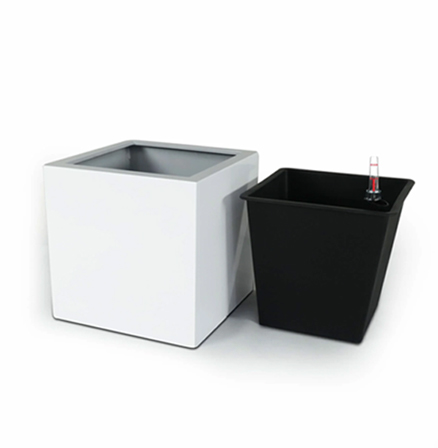
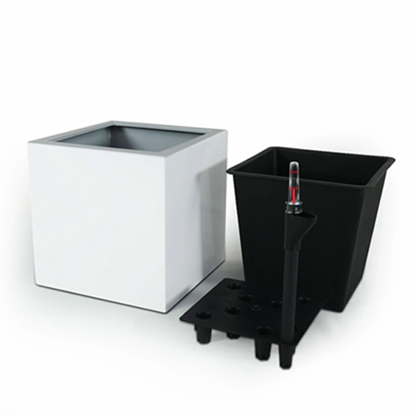
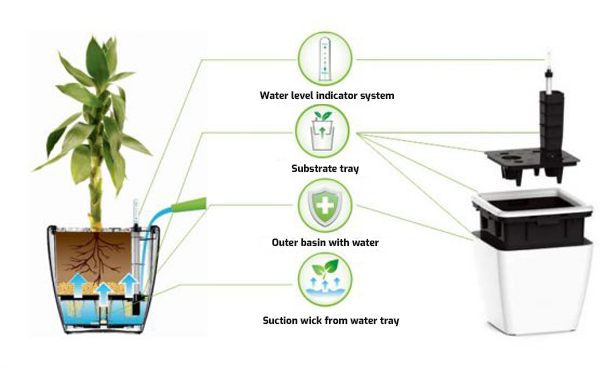
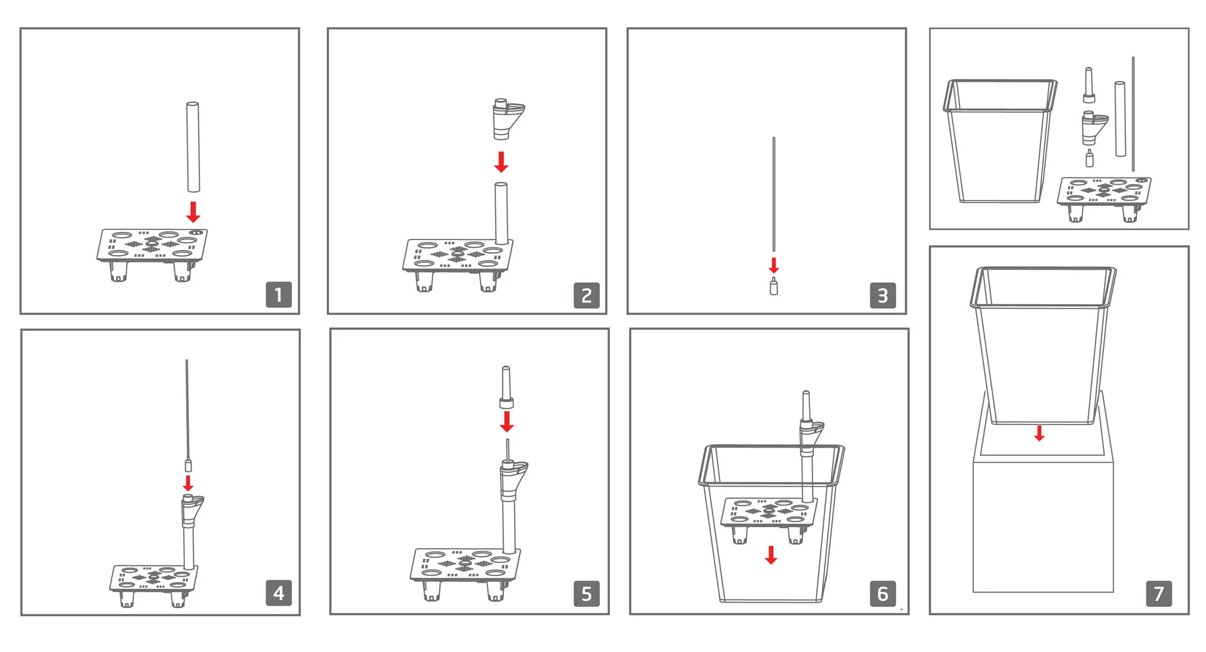
The smart self-watering pots typically consist of four main components:
Water reservoir (tray), this is also usually the outermost layer of pot that both acts as a water storage tray and is the overall structure and external appearance of the pot
Inner pot: This tray is placed in and above the water tray, without direct contact with the water tray. The Inner pot usually has multiple outlet holes and is connected to the water tray through the suction wick.
Wicking system: This component is quite crucial as it acts as a conduit for drawing moisture from the water reservoir to supply water to the media tray.
Water level indicator system: can be a buoy, or a transparent indicator line.
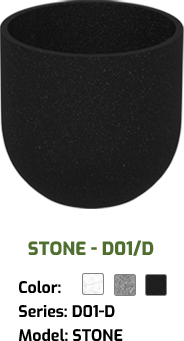
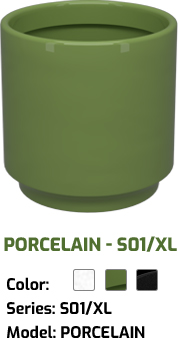
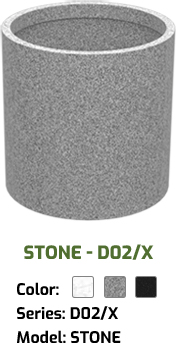
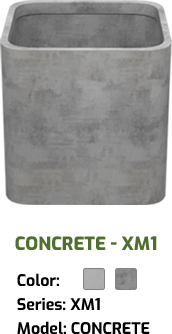
MULTI-MATERIAL EXTERNAL POTS
INNER POT LAYERS
AUTOTROPHIC SYSTEM
THE PRINCIPLE OF OPERATION OF SELF-WATERING POTS: CAPILLARY MECHANISM
The mechanism behind how self-watering pots work is a phenomenon known as “capillary activity” or “wicking phenomenon.”
Capillaries in self-watering pots are usually wick threads made from fabrics that are highly absorbent and durable. One end of the suction wick is submerged in water; The upper end is placed in the middle of the layer of planting soil.
When plants have a need for water, they will absorb water in the soil, when this soil moisture will decrease. And at that moment, the wick will suck a corresponding amount of water to balance the moisture for the tray containing the substrate.
Note when planting new or replacing the soil for self-irrigating pots: You need to water the substrate layer immediately after planting. Or for some reason the substrate layer is too dry, water them. Then the suction wick will be responsible for supplying water to this substrate.
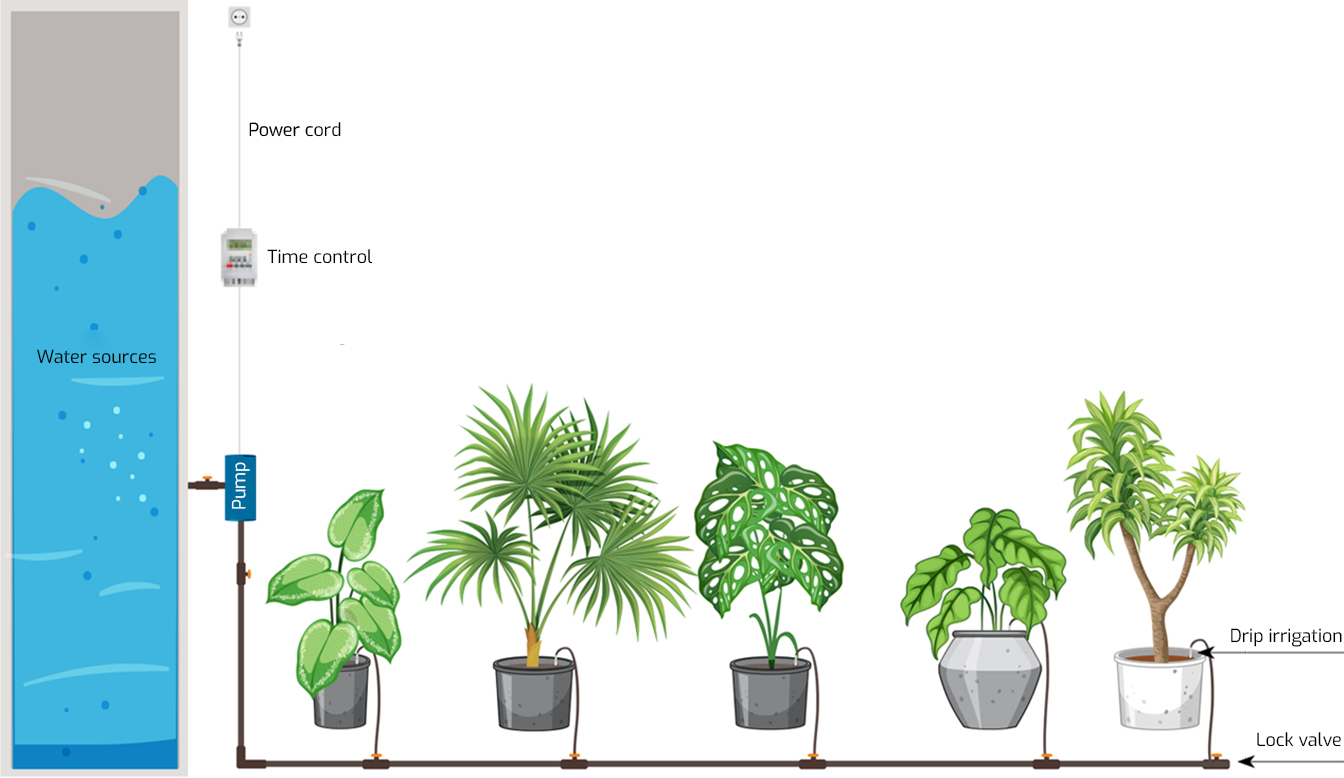
Smart Irrigation System is a system of irrigation equipment capable of automatically On/Off to water the garden at the right time and water flow that you want. This system will help you save up to 80% of your watering time compared to traditional watering methods.
In a basic smart automatic irrigation system, the following components will be included:
Booster water pump: Filter; Automatic irrigation control timer: Wiring; Types of automatic irrigation heads: Accessories (PVC fittings, pipe connectors, pipe caps….).